Kinshasa: "Guiding young women towards less traditional careers"
Kinshasa: "Guiding young women towards less traditional careers"


In Kinshasa, our teams and partners work tirelessly to reintegrate young people from the streets. When given the opportunity to choose a profession, young women often gravitate towards traditionally female-dominated and saturated occupations. This is a trend we are trying to reverse. You too can make a difference.
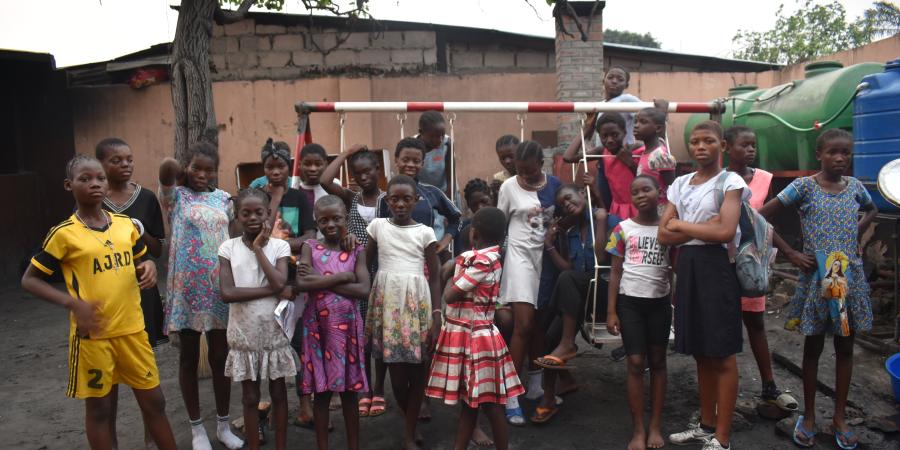
In the DRC, the issue of children and young people living on the streets remains very alarming. Thousands of them, some very young, are surviving without any resources, in a context of omnipresent violence. While they are all in danger, young girls are particularly exposed to the risks of sexual violence and exploitation within prostitution networks.
Together with our partners in Kinshasa, we support these young girls in shelters. There, they find protection and access to basic necessities, as well as psychosocial support. When the situation allows, the centres' psychologists and educators mediate to help them return to their families. They also ensure that those who wish to do so are directed towards vocational training that will lead them to independence.
Broadening career choices
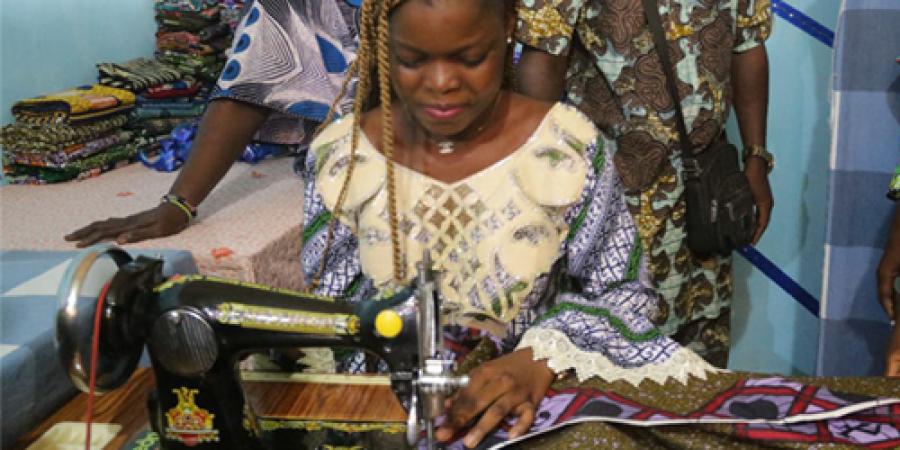
In this context, we are faced with very traditional choices on the part of young girls: many of them are drawn to dressmaking and hairdressing, professions that are already quite saturated. "During the guidance phases, we therefore made the girls aware of the possibility of training in fields that are wrongly considered to be male-dominated (building painting, car electrics, driving, etc.). A few girls showed interest in these fields and a small number completed the training,‘ explains Elie Nsana, Professional Integration Expert in Kinshasa for Louvain Coopération. ’We plan to continue raising awareness among future cohorts and encourage girls to broaden their range of career choices."
More news