Cambodia
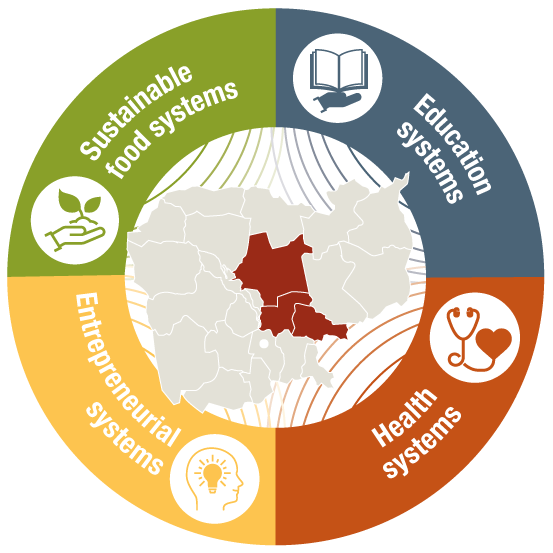
Les provinces de Kampong Cham et
de Tbong Khmum, Takeo, Battambang
et Kampong Thom
22
partners
9.207
people affected in 2025
Louvain Coopération in Cambodia
Partners and donors
Partners
- Tramkak Union of Agricultural Cooperatives (TrUAC)
- 4 Agricultural Cooperatives in Battambang province
- 3 Agricultural Cooperatives in Kampong Thom province
- Development and Partnership in Action (DPA) organization
- Ecosystem Services and Land Use Research Centre (ECOLAND) of the Royal University of Agriculture (RUA)
- Banteay Srei Organization
- Cambodian Institute for Research and Rural Development (CIRD)
- Faculty of Agricultural Science (FoAS) of RUA
- National University of Battambang (NUBB)
- Saint Paul Institute (SPI)
- Provincial Department of Agriculture, Forestry and Fisheries (PDAFF) of Battambang province Preventive, Medicine Department (PMD), Department of Mental Health and Substance Abuse (DMHSA), Transcultural Psycho-social Organisation (TPO), Center for Child and Adolescent Mental Health (CCAMH), Douleur Sans Frontières (DSF), Humanity and Inclusion (HI), Saint Paul Institute (SPI), University of Washington (UW)
Donors
- DGD
- EKFS
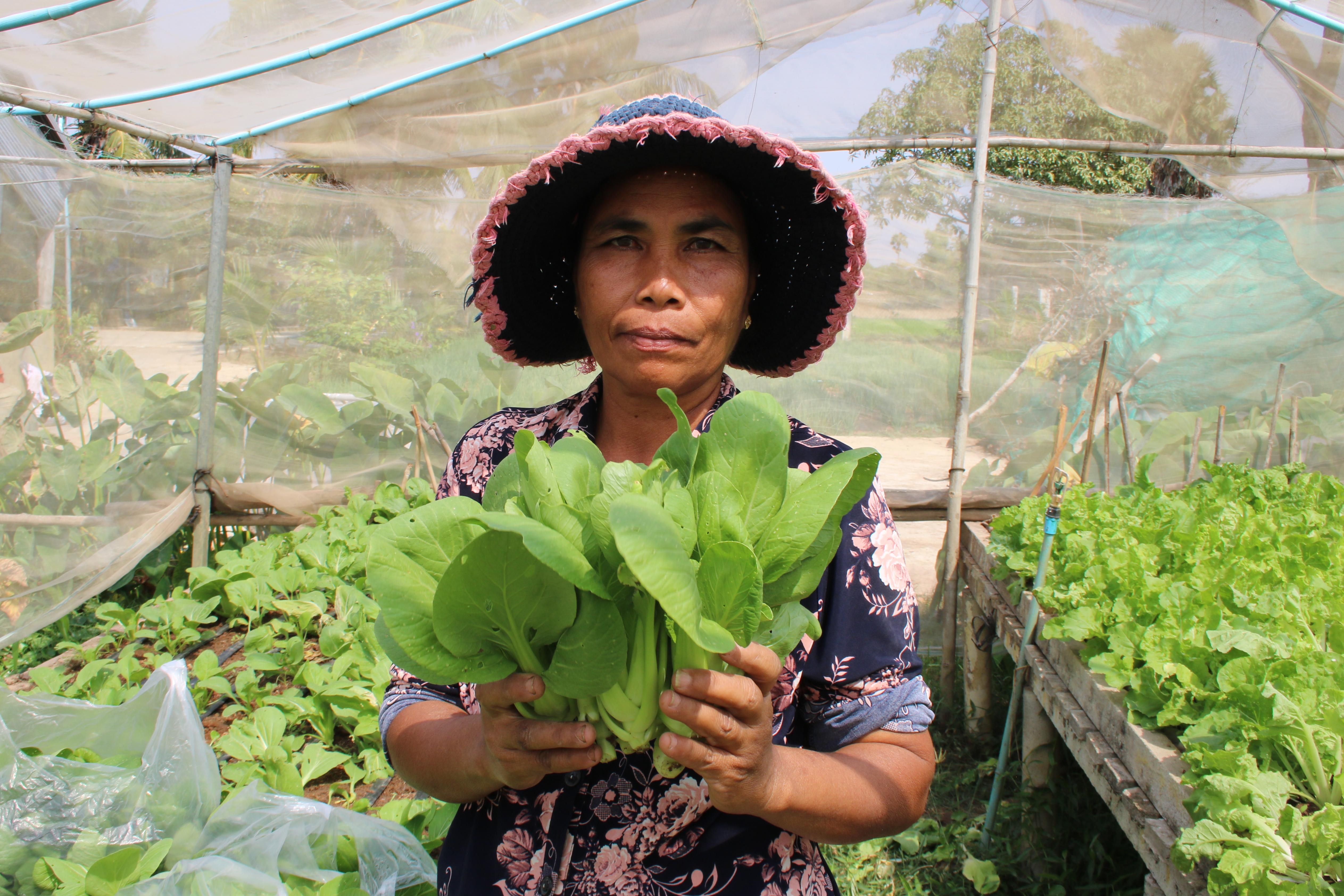
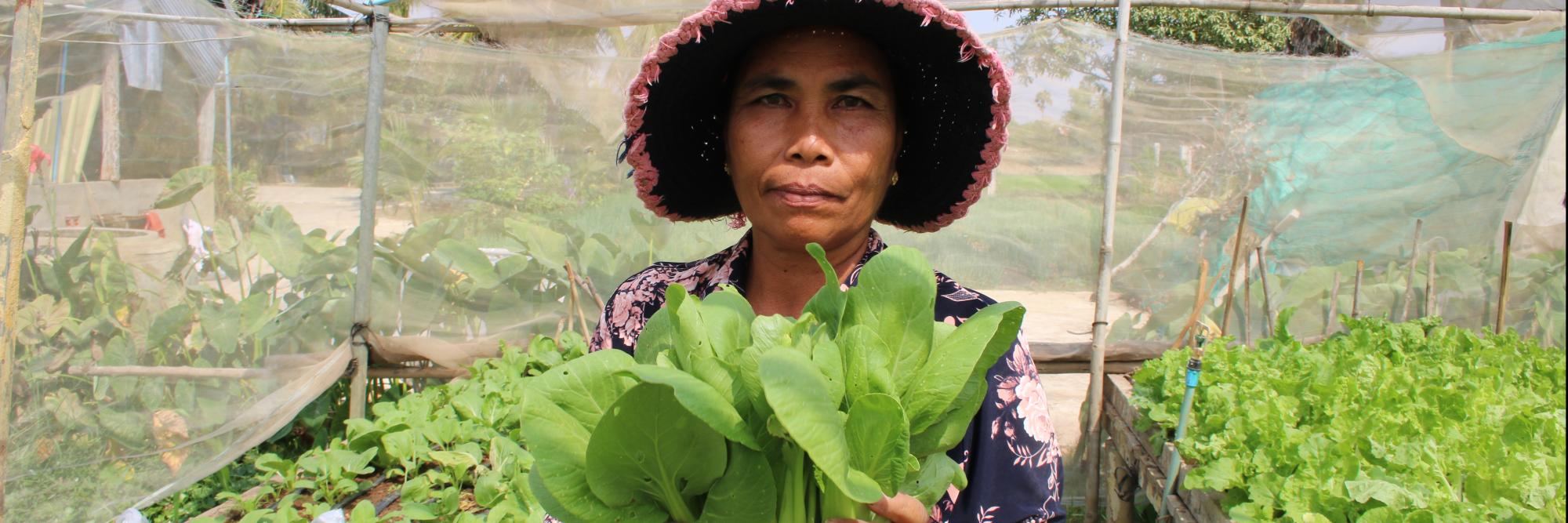
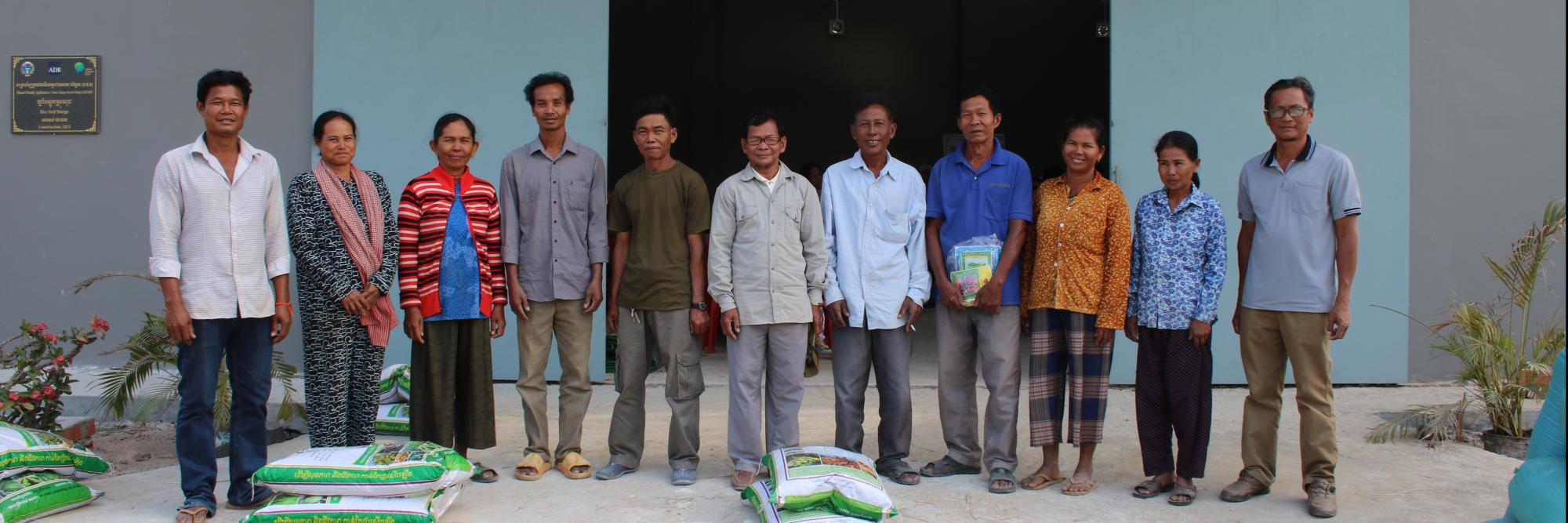
Partnership for Agroecology Transition, Networking and Efficient Resilience (PArTNER)
Our objective
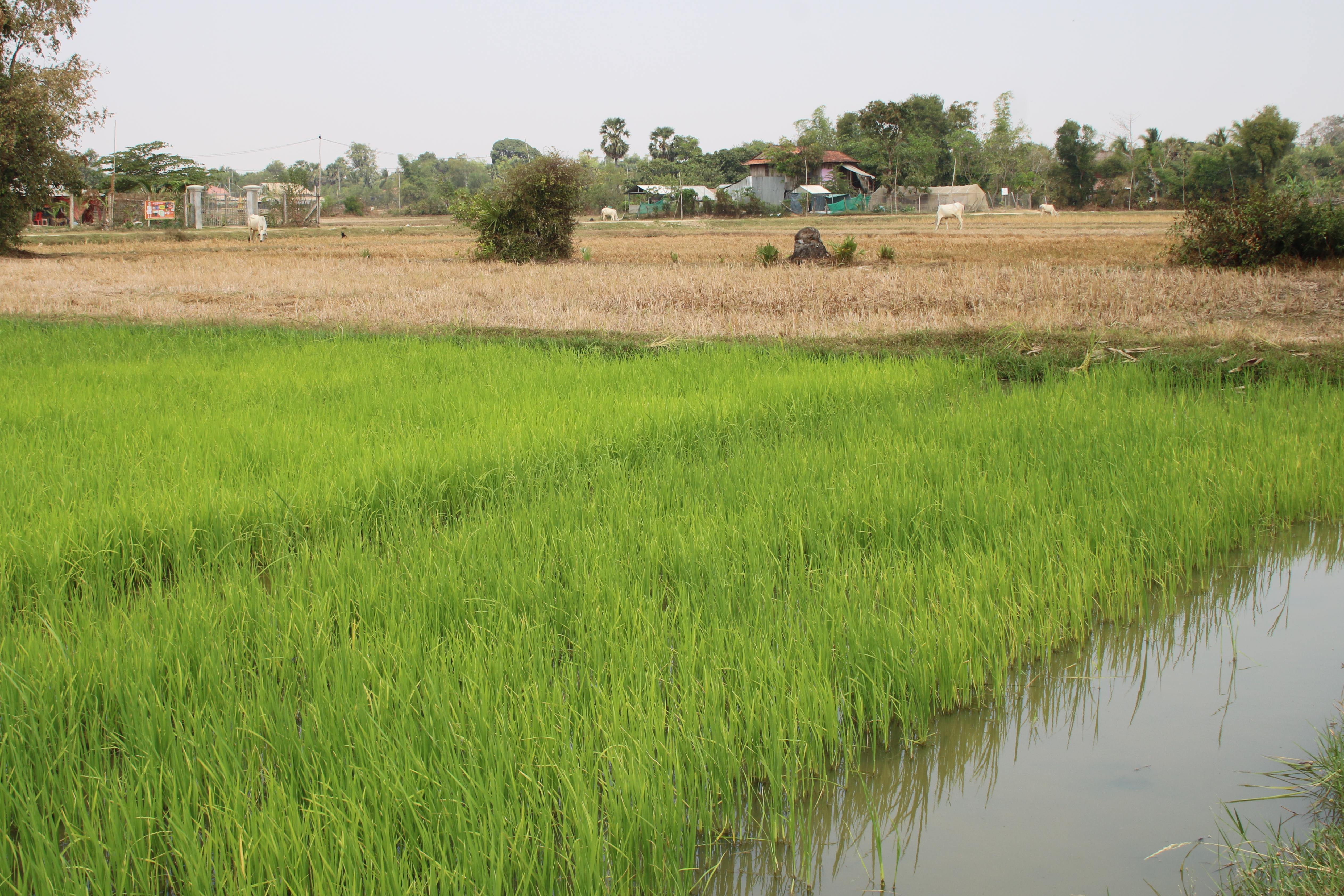
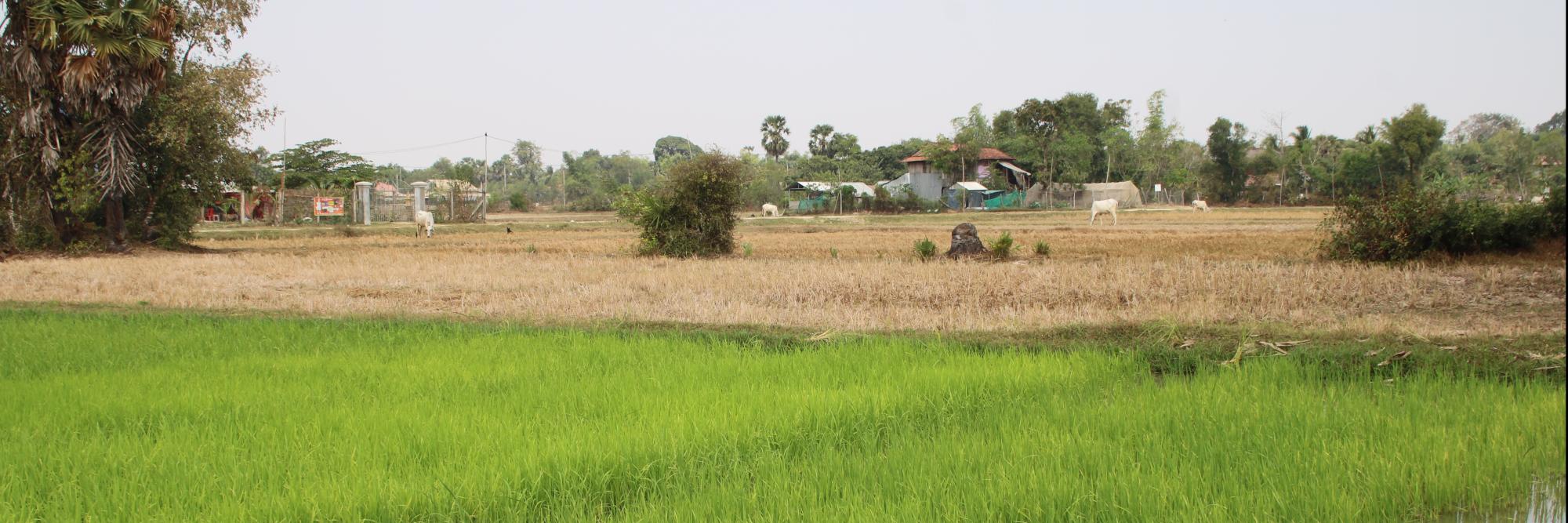
The PArTNER project aims to strengthen the economic and social resilience of rural Cambodian families by accelerating the agroecological transition, structuring sustainable value chains and promoting inclusive governance in which women play a central role. The objective is to enable small-scale producers to access decent incomes, lucrative markets and greater participation in decision-making.
Our actions
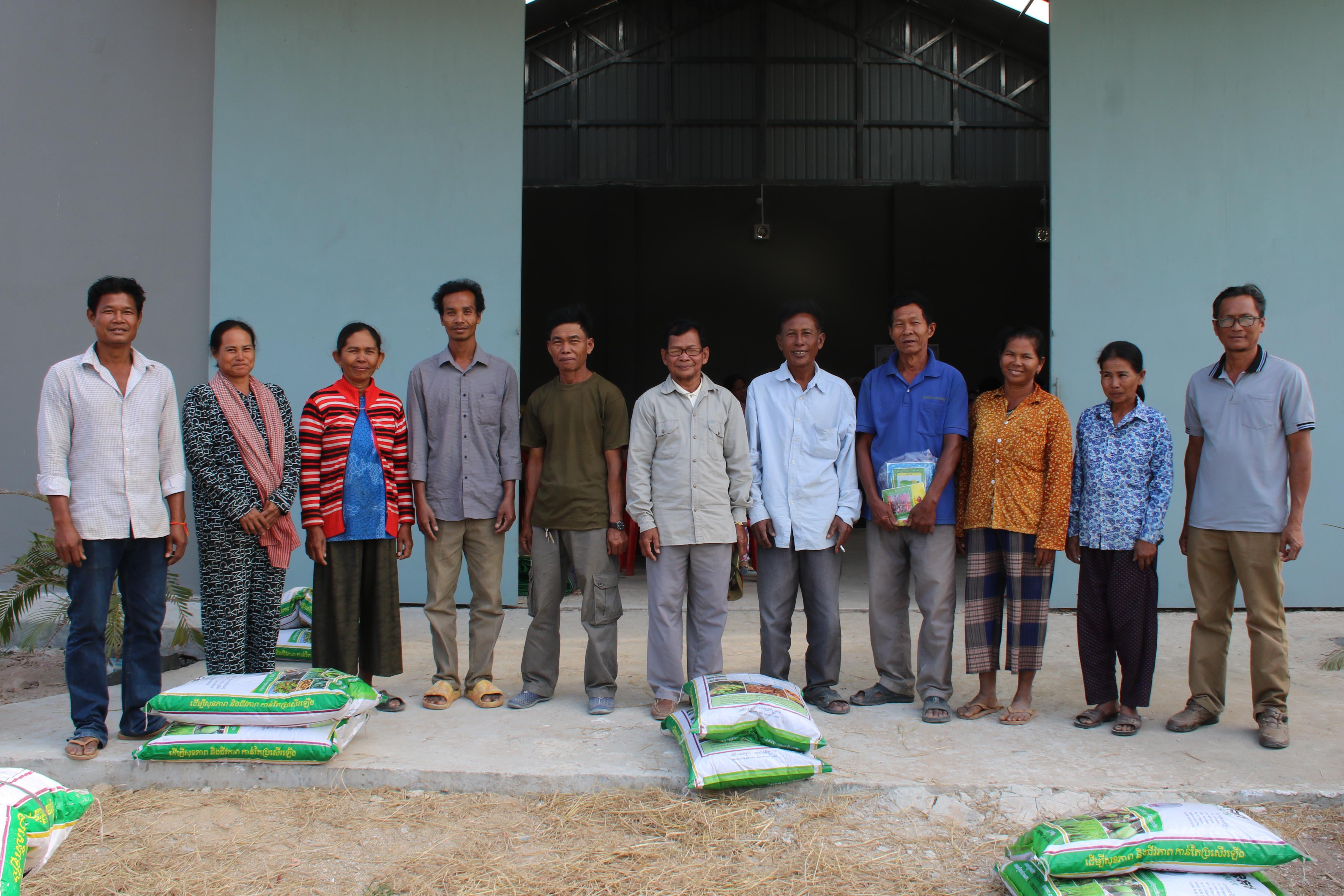
- Development of sustainable agricultural systems through a farmer-to-farmer extension system led by farmers specialising in training, agroecological experimentation and practices related to SRP rice, seeds, bokashi, vegetables and livestock farming.
- Strengthening agricultural cooperatives and their unions through support in administration, finance, governance and planning to improve their autonomy and efficiency.
- Supporting agroecological value chains in management, marketing, business development and standards improvement.
- Supporting farmers' organisations to represent producers in dialogues with the private sector and authorities, and promoting policies that favour smallholder farmers.
- Promoting female leadership and supporting women's entrepreneurship through training in decision-making, advocacy and the development of income-generating activities.
- Raising awareness among urban consumers about healthy eating, producing videos and educational content, and creating commercial links between agroecological producers and markets.
- Networking agroecology stakeholders: training, exchange visits, workshops, dissemination of good practices and small grants programme for local initiatives.
Our impact
The project strengthens the economic resilience of rural families, accelerates the agroecological transition, increases the incomes of small-scale producers, and promotes the empowerment of women within agricultural organisations. It contributes to reducing chemical inputs, providing healthier food for consumers, and establishing sustainable and equitable value chains. Finally, it energises networks of actors committed to agroecological transition and influences public policy in favour of sustainable food systems in Cambodia.
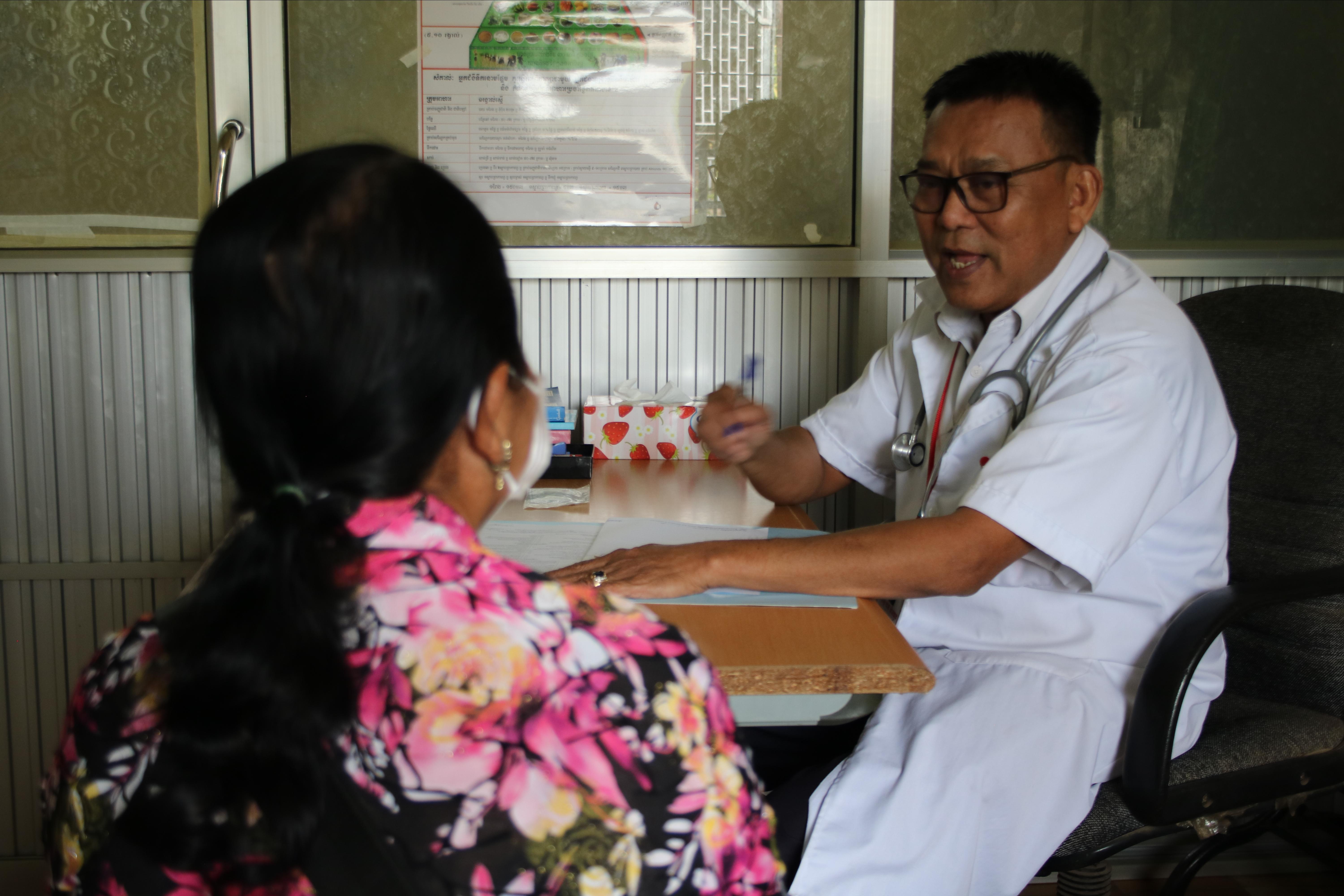
Partnership for Improvement and Prevention in NCDs (PIP-NCD)
Our objective
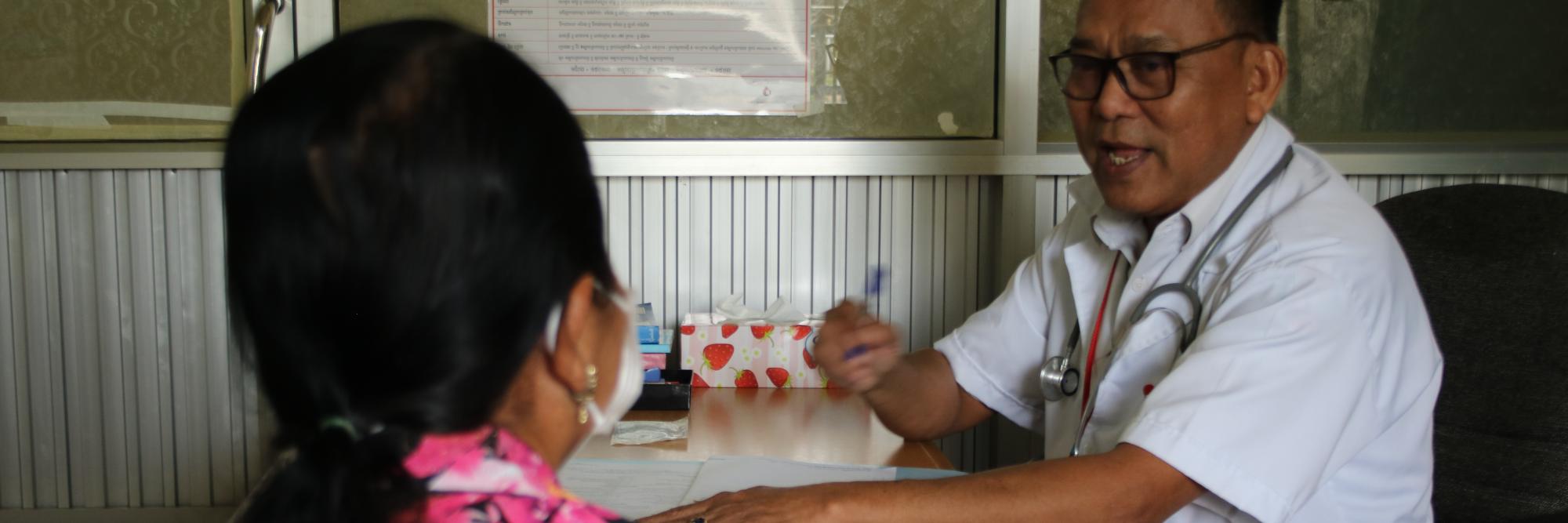
To improve access to and the quality of mental health and non-communicable disease prevention services in the rural areas of Chamkar Leu and Ou Reang Ov, by strengthening the skills of health personnel, community participation and reducing stigma, with a particular focus on gender and age differences.
Our actions
Strengthening mental health services
- Training, coaching and supervision of medical and non-medical staff on diagnosis, treatment, counselling, palliative care, pain management and patient care
- Implementation of the Collaborative Care Model (CCM) in collaboration with the University of Washington. This model is an integrated approach in which primary care professionals (general practitioners) and mental health professionals (case managers, psychiatrists) work together to treat mild to moderate mental health problems in patients, sharing expertise and coordinating care around the patient's life plan, with the patient themselves as an active partner in decision-making. This involves screening, monitoring, coordinating care, supporting Patient Care Facilitators, and holding Quality Improvement Team meetings.
- Development and dissemination of clinical protocols and monitoring tools for mental health and non-communicable disease services.
- Documentation of knowledge acquired in this project.
Community work and prevention
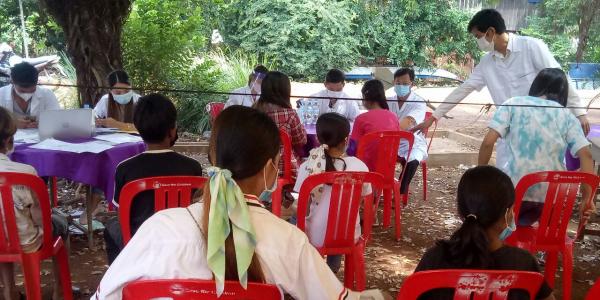
- Training village volunteers and social workers in psychological first aid, referral, family support and emotional support.
- Creation and support of Self-Help Groups. These groups play a crucial role in providing peer support, reducing stigma and isolation, promoting empowerment and self-management, and supplementing limited access to mental health professionals through tailored, community-based approaches to improve psychosocial well-being and combat domestic violence, nutritional problems, alcohol consumption, etc.) and groups for parents of children with disabilities.
- Community awareness and destigmatisation campaigns on mental health and NCD prevention.
- Awareness-raising activities to identify and refer people with neurological or psychological disorders.
Health technologies and innovations
- Deployment of telemental health and a patient monitoring system.
- Development of a digital platform for information sharing between partners.
Our impact
This project is building a more inclusive local health system capable of providing high-quality mental health services and non-communicable disease prevention measures tailored to patients' needs, where patients are true partners in their own physical and mental health. It improves access to care, reduces stigma, strengthens coordination between stakeholders, and provides better support for vulnerable people in 112 villages, directly affecting several thousand beneficiaries and nearly 100,000 people indirectly.
The context in Cambodia
Cambodia is a country of great beauty, rich in biodiversity and cultural heritage. Behind this positive image, however, it faces major economic, environmental and health challenges. The recent conflict with Thailand also jeopardises the country's economy and security.
Socio-economic situation
Despite rapid economic growth over the past twenty years, a significant portion of the population remains vulnerable. Socio-economic disparities between urban and rural residents are widening, leading to significant social tensions.
- 17.8% of Cambodians live below the national poverty line
- 75% of the population lives in rural areas
- 39% of jobs are in agriculture
- Agriculture dominated by: rice monoculture and the widespread use of chemical inputs, which weakens the soil, household incomes and resilience.
Environment and climate change
Cambodia is experiencing rapid degradation of its ecosystems and high exposure to climate risks.
Major environmental challenges:
- Illegal deforestation
- Loss of biodiversity
- Inadequate management of natural resources
High climate vulnerability:
- Frequent flooding
- Sea level rise
- Significant economic and ecological impacts for rural populations
Health situation
The country faces a twofold problem: persistent malnutrition among children, linked to a lack of dietary diversity and an increase in non-communicable diseases, as well as a worrying level of psychological distress. The trauma caused by the Khmer regime has left deep and intergenerational scars on the population.
Malnutrition
- 22% of children under the age of 5 suffer from chronic malnutrition
- 10% suffer from acute malnutrition
Non-communicable diseases
- NCDs (diabetes, hypertension, etc.) kill nearly 60,000 Cambodians every year. In 2018, they accounted for 60% of deaths in Cambodia.
- 7.5% of adults between the ages of 20 and 79 live with diagnosed diabetes
Mental health
- 27.4% of the population suffers from anxiety
- 16.7% from depression
- 7.6% from PTSD (post-traumatic stress disorder)
Contact : Info-cam@louvaincooperation.org
Find out more about our work in Cambodia

FAQ
Rainfed rice cultivation in the lowlands is adapted to the flood and receding water cycle; it is supplemented by cash crops (cassava, rubber, tropical fruits) depending on the region.
The Mekong–Tonlé Sap fisheries provide an essential source of animal protein and support thousands of micro-processing and trading activities.
The cross-cutting challenge is to improve resilience: watershed-scale water management, low-input agricultural practices, and restoration of flooded forests and buffer zones.
The rainfall pattern alternates between a wet season (May–October) and a dry season (November–April).
At the peak of the flood, the Mekong forces the Tonlé Sap River to reverse its flow: the water flows back towards the lake, whose surface area increases from around 2,500 km² in the dry season to over 16,000 km² in the rainy season. This annual ‘breathing space’ nourishes fertile soils, flooded forests and one of the world's most productive river and lake fisheries, providing a livelihood and food for millions of people.
Khmer is the official language and is widely spoken. Minority languages (Cham, highland languages) and dialects of Chinese or Vietnamese origin are also spoken in certain urban and commercial contexts.
Cultural life unfolds in pagodas, markets and festivals, with forms of heritage recognised by UNESCO such as the Royal Ballet (Apsara dance) and Sbek Thom shadow theatre.
Phnom Penh is the centre for administrative functions, higher education, services and light industry. Siem Reap focuses on tourism and cultural services, Sihanoukville plays a role as a port and industrial centre, while Battambang and Poipet are hubs for agricultural and cross-border trade.
Road and rail corridors connect to seaports and border crossings, while inland waterway transport remains important in lake areas and along the Mekong River.
Flooding in low-lying areas and seasonal droughts are the most frequent hazards, exacerbated by climate variability.
The response required combines flood warning systems, irrigation and drainage works, urban planning in flood-prone areas and social protection measures for vulnerable households.
On the coast, integrated management of wetlands and mangroves helps to mitigate erosion and storms.
Cambodia is home to tropical forests, wetlands and a rich river-lake continuum.
The Tonlé Sap Biosphere Reserve (MAB/UNESCO) protects Southeast Asia's largest lake ecosystem, which feeds inland fisheries and supports flooded forests.
The Cardamom Mountains form one of the best-preserved forest blocks in the region, providing refuge for many endangered species (Asian elephant, Siamese crocodile, galliformes).
Cambodia has a population of approximately 17.6 million (2024).
The country remains predominantly rural, but urbanisation is progressing: just over a quarter of Cambodians live in cities, with a high concentration in Phnom Penh and a few regional centres.
The population is relatively young, with a large Generation Z (born in the late 1990s and 2000s) entering higher education and the labour market, posing challenges in terms of education and integration, but also opportunities for innovation and growth.
The Khmer kingdom of Angkor (9th–15th centuries) left behind an exceptional legacy: vast cities, monumental temples and hydraulic structures (barays, canals) designed to manage water and irrigation. This ensemble has had a lasting impact on the occupation of the territory and remains at the heart of Cambodian cultural identity.
In the 20th century, the country experienced major upheavals: conflicts, the Khmer Rouge regime in the 1970s, population displacement; followed by a phase of reconstruction and economic openness from the 1990s–2000s.
In practical terms, Phnom Penh is the centre of most political and economic activity, while Siem Reap is the gateway to Angkor. Theravāda Buddhism structures social life (pagodas, festivals, mutual aid networks) and the state, together with its partners, carries out programmes for the conservation, restoration and management of heritage sites, in Angkor and elsewhere.
Cambodia is a country in Southeast Asia, located between Thailand, Laos and Vietnam, with access to the Gulf of Thailand.
The heart of the country is a vast plain around the Mekong River and Tonlé Sap Lake, framed by mountains (the Cardamom and Elephant Mountains in the south-west, the Dangrek Plateau in the north) and a coastline dotted with mangroves and islands.
This layout concentrates the population, agriculture and services in the lowlands, while the mountainous and forested areas are home to remarkable ecosystems.
Four sectors dominate. Agriculture (rice cultivation, cassava, rubber, fruit) and inland fishing linked to the Tonlé Sap remain essential for food security and rural incomes.
Manufacturing relies on exports of clothing, footwear and travel goods, supported by logistics chains linking ports, special economic zones and borders. Services (trade, finance, cultural and nature tourism) are developing rapidly, driven by the recovery in regional and international mobility.