Benin

Departments of Mono,
Atacora, Borgou
and Atlantique
10
partners
49,850
people impacted in 2025
Louvain Coopération in Benin
The context of Benin
Key issues
Benin, a coastal country in West Africa, is distinguished by its rich ecosystems, exceptional cultural heritage and diverse ethnic groups. Despite its natural and cultural resources, the country faces major challenges in terms of poverty, access to healthcare, deforestation and gender inequality.
Socio-economic context
- 20% of the population lives on less than €2 per day.
- 70% of the working population is employed in agriculture, often with limited resources.
- Only 35% of women are literate, which contributes to their under-representation in decision-making positions.
Public health issues
- 1.1 million children (3 in 10) suffer from chronic malnutrition.
- 30% of children under the age of 5 are stunted.
- The maternal mortality rate is one of the highest in the world: 397 deaths per 100,000 live births (2018).
- Only 8% of the population has health insurance.
Natural resources and the environment
- Benin's forests are essential for the population and biodiversity.
- Between 2005 and 2015, 20% of forest area disappeared (falling from 7.6 to 6 million hectares).
- Deforestation remains extremely high, at 2.2% per year.
- The rate of deforestation remains extremely high, at 2.2% per year.
- Benin's subsoil contains significant mineral resources that are still largely unexploited.
Cultural heritage
- Benin is renowned for its unique cultural heritage, including the Slave Route, and for being the birthplace of voodoo.
- The country is a veritable ethnic melting pot, with more than forty ethnic groups coexisting without major tensions.
Health and economic inclusion for an impactful mutualist movement
Our Objective
To facilitate access to healthcare for all by supporting the implementation of Universal Health Coverage (UHC) in our areas of intervention in Benin (Mono and Atacora).
We focus our efforts on populations that are often excluded from traditional health insurance systems, particularly workers in the informal and agricultural sectors. To this end, we support the development of community health mutuals, which enable the sharing of health-related risks and improve the ability of people with low and irregular incomes to contribute to their healthcare.
Our actions
- Developing and strengthening community health mutuals and their unions (e.g. UMUSOP) to ensure pre-payment for care.
- Establishing innovative mechanisms (group membership via Social and Solidarity Economy Initiatives) to facilitate access to health insurance.
- Improving the quality of healthcare provision to strengthen trust and membership in mutual societies.
- Strengthening participatory governance, with a particular focus on women's participation and disease prevention.
- Providing medical equipment to partner health centres.
- Organisation of integrated community screening and awareness campaigns targeting both non-communicable diseases (hypertension, diabetes, breast and cervical cancer, etc.) and other preventable diseases (contagious, hygiene- and nutrition-related, etc.).
- Support advocacy for the mutualist movement to be involved in the operationalisation of Universal Health Coverage, particularly for populations in the agricultural and informal sectors, which account for more than 90% of the working population in certain regions such as Atacora.
Our impact
This project enables vulnerable households, who are often forced to finance their own healthcare, to access quality care throughout the year, prevent catastrophic healthcare expenditure, and strengthen their socio-economic resilience.
Inclusion of young people, particularly girls, through strengthening the participatory approach
Our objective
To strengthen the social, educational and community environment of children and young people – especially girls – in Comé, enabling them to become fully-fledged participants in a more just, inclusive society that respects human rights. The project aims to improve children's access to their rights, encourage girls' enrolment in school and promote gender equality. It also supports local actors (civil society and authorities) in order to create a sustainable collective dynamic, strengthening social cohesion and child protection.
Our actions
- Development of multi-stakeholder alliances to amplify the local impact of awareness-raising, training and advocacy actions to promote children's rights, gender equality, the socio-professional integration of young people and the economic empowerment of women.
- Consolidation of mentoring networks, women's associations and youth groups to disseminate best practices at the community level.
- Creation, within the transit home, of a professional unit (lawyer, social worker, psychologist) to support young migrants and children in difficult situations placed there by the court, and improvement of reception facilities.
- Organisation of awareness-raising activities on hygiene, health, the environment (e.g. cleanliness days, plastic waste management) and the inclusion of children with disabilities through synergies with specialised CSOs.
- Support for the Siloe centre for visually impaired children towards greater financial autonomy and better consideration of the specific needs of young girls.
Our impact
This project promotes better access for children – especially girls – to their rights. It creates a collective dynamic that fosters greater social cohesion by sustainably strengthening the capacity for action of local actors.
Partners and donors
Partners
- Guichet d’Economie Locale du Sud Bénin : GEL Sud Bénin
- Groupements pour la Promotion et l’Exploitation des Ressources de l’Environnement : GROPERE
- Conseil des Structures d’Appui aux Mutuelles Sociales : CONSAMUS
- Réseau « MIVO » des Mutuelles de Santé de la zone sanitaire de Comé : REMUSA « MIVO »
- Union des Mutuelles Sociales de la Pendjari : UMUSOP
- Action Plus
- Eco Bénin
- CJA
Donors
- If Foundation
- Enabel
- DGD
- WBI
- UNITAS
Sustainable agriculture and inclusive entrepreneurship
Our objective
These projects aim to strengthen the economic resilience of households and promote sustainable, equitable and inclusive food and agricultural systems. They support local producers, cooperatives and entrepreneurs through a two-pronged approach: agroecological transition and the development of sustainable, income-generating economic activities.
Our actions
Sustainable agriculture and food systems
- Promote agroecology for agriculture that respects natural resources and is socially equitable.
- Train farmers in sustainable agricultural techniques, farm management and production development.
- Support access to agricultural equipment (processing, storage) and improve access to rural finance and markets.
- Assess and monitor the economic, social and environmental performance of farms.
Local entrepreneurship and cooperative structuring
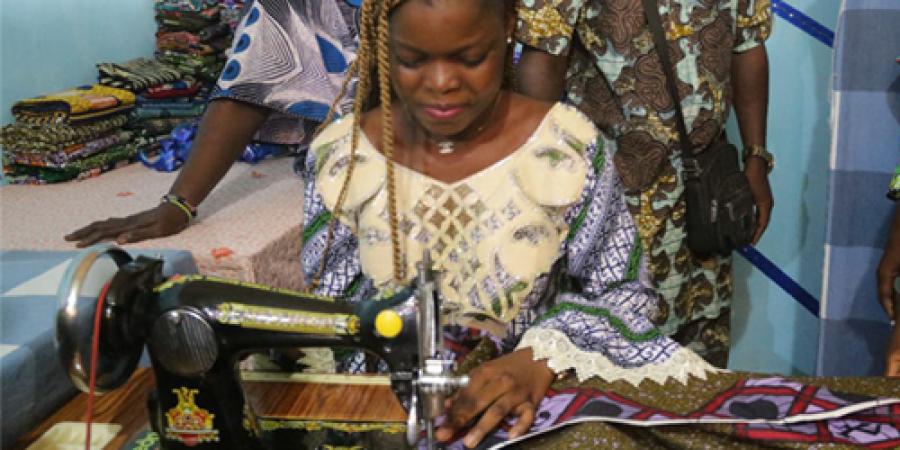
- Strengthen the entrepreneurial spirit and technical and management skills of economic project leaders.
- Offer tailored non-financial advisory and entrepreneurial support services.
- Structure and support the governance of cooperatives, particularly in the processing and marketing of agricultural products.
- Facilitate public-private exchanges and entrepreneurs' access to markets and financing.
Focus on inclusion and gender
- Promote sustainable entrepreneurship as a lever for social development for women.
- Integrate functional literacy and a rights-based approach into support programmes.
- Encourage the active participation of women in economic decision-making and cooperative governance.
Sustainable management of natural resources and mangroves
Our Objective
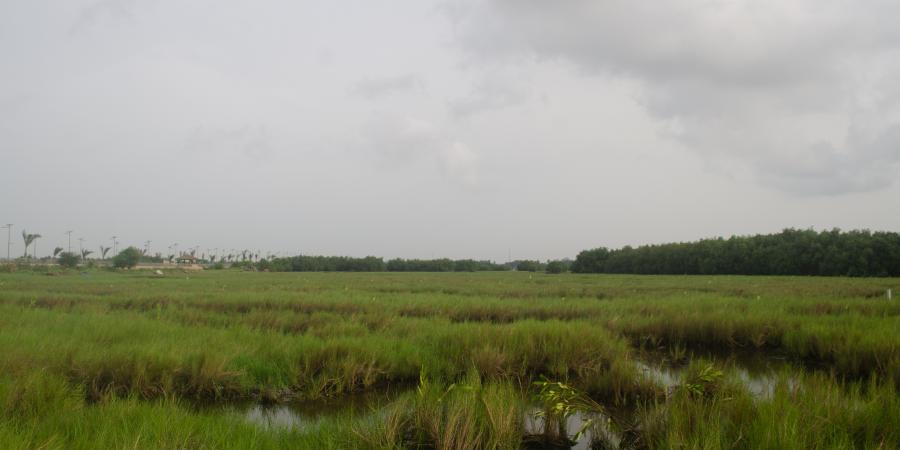
To ensure the protection and sustainable management of mangrove ecosystems while improving the living conditions of local communities through sustainable economic alternatives.
Our Actions
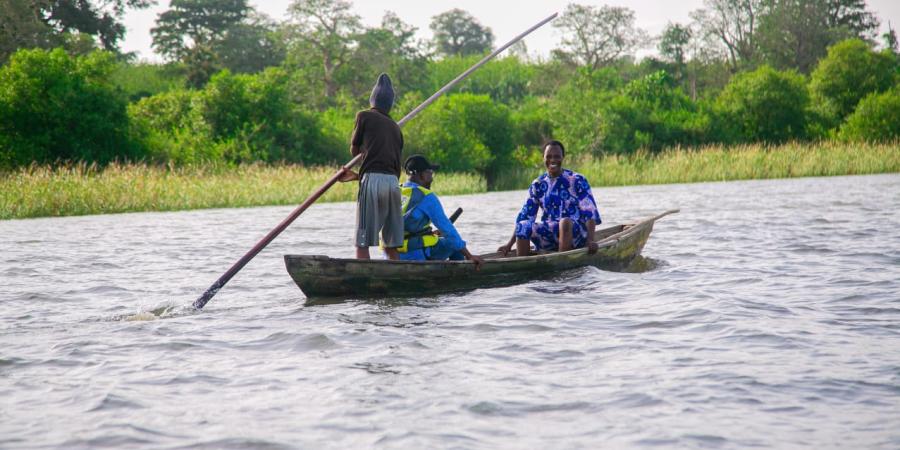
- Raising awareness among local communities about sustainable management of mangroves and natural resources.
- Training local stakeholders in regulations, waterway restoration and environmental management.
- Carrying out mangrove reforestation and maintenance activities.
- Developing sustainable economic sectors (e.g. market gardening, salt production, oyster farming, etc.) and alternative energy sources to reduce pressure on ecosystems.
- Participating in consultation frameworks and supporting mangrove governance authorities.
Our impact
This project contributes to the preservation of mangrove ecosystems, strengthens the resilience of local communities and promotes sustainable and inclusive natural resource management practices.
Sustainable management of the Mono Delta biosphere
Our objective
To improve the incomes of cassava producers in the Mono Delta Biosphere Reserve through a sustainable, environmentally friendly supply chain that benefits local communities.
Our Actions
- Training in agroecology for sustainable agricultural practices.
- Creation of mutual aid and training groups (communities of practice and learning).
- Establishment of farmer training fields to test and disseminate agricultural innovations.
- Facilitated access to improved seeds, biofertilisers and biopesticides.
- Strengthening of local organisations of cassava producers and processors.
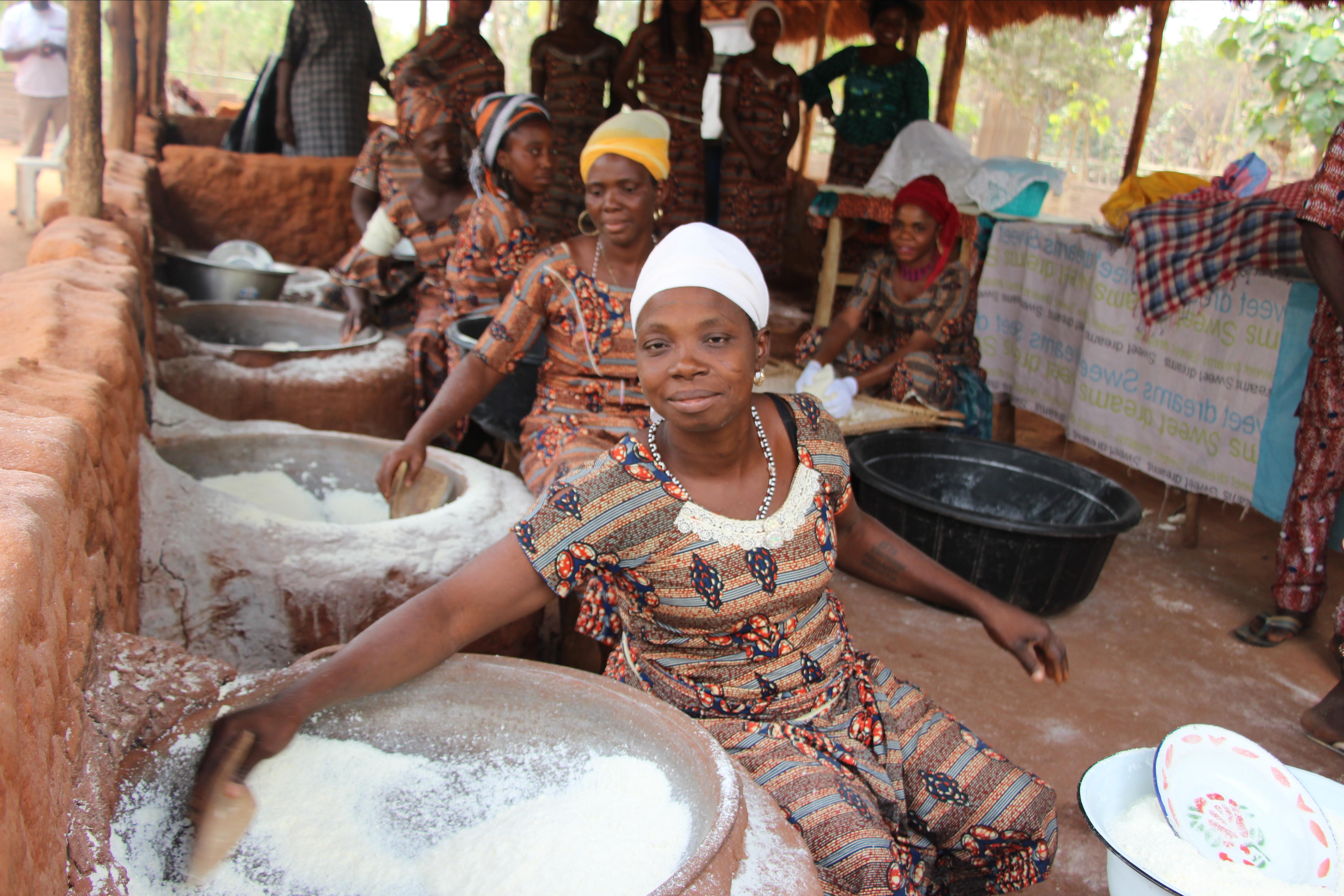
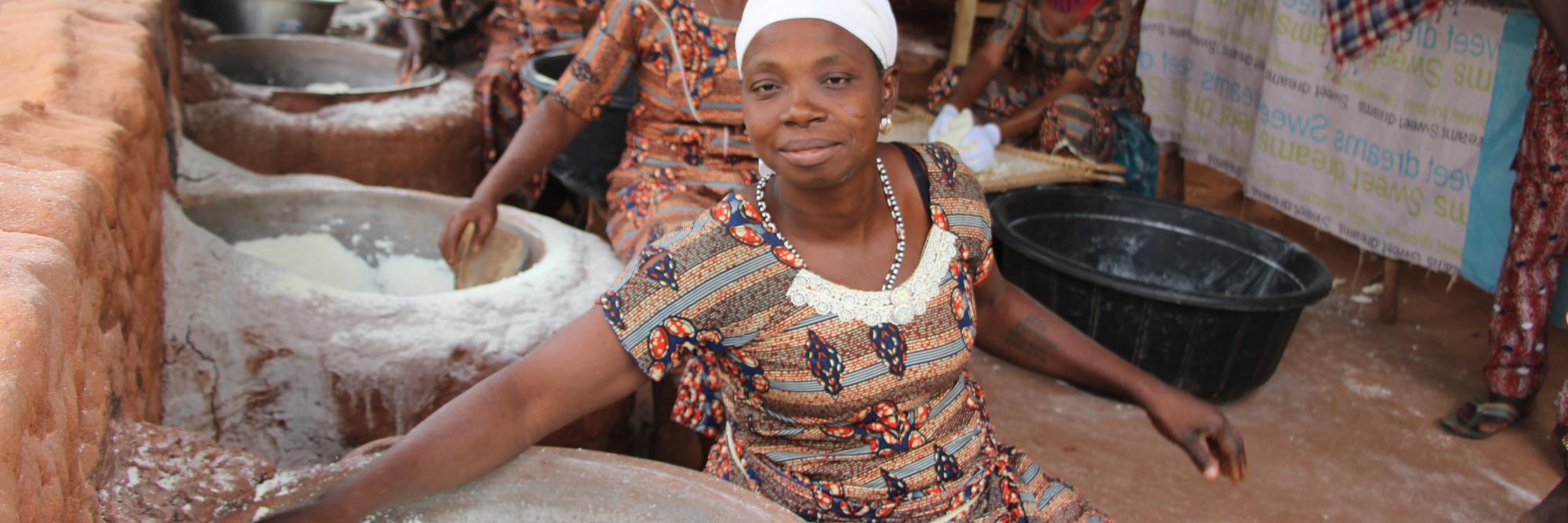
- Support for women's cooperatives for the processing and promotion of cassava products.
- Development of local sales channels (restaurants, hotels, local shops).
- Strengthening of partnerships with local institutions and agricultural services.
- Promotion of contractualisation and formalisation of commercial exchanges.
Our Impact
This project improves the incomes of cassava producers, advances agroecological transition, and promotes the development of sustainable and inclusive local markets.
Contact : info-ao@louvaincooperation.org
Learn more about Benin
Plus de news +
Toutes les vidéos du Bénin +
Plus de documents +
FAQ
There are still disparities in access between urban and rural areas. Maternal and child health, malaria control and malnutrition prevention are absolute human priorities. Effectiveness depends on community involvement, reliable drug supply chains, high-quality data and WASH (water, sanitation and hygiene) initiatives. The establishment of solidarity mechanisms (mutual health insurance schemes) helps to pool risks.
Our operational projects:
- Reliable care chains: Securing supply chains and strengthening local supervision.
- Solidarity and prevention: Support for mutual health organisations and community information on ways to protect against various diseases.
- Local expertise: Strengthening the skills of health personnel and improving health data for informed decision-making.
The coastline is on the front line when it comes to erosion and flooding, while inland areas experience alternating droughts and floods, putting increased pressure on forests and fertile land. Resilience is built by combining nature-based solutions (mangroves, reforestation), integrated water management, early warning systems and economic diversification for families.
Key measures for a sustainable environment:
- Natural protection: Reforestation, mangrove restoration and ‘soft’ coastal protection.
- Water management: Watershed planning and secure water storage solutions.
- Community safety: Implementation of early warning systems and dissemination of resilient agricultural practices.
While access to primary school is well established, continuity into secondary school and the quality of education remain uneven, especially in rural areas. There is an urgent need to concretely link technical and vocational education and training (TVET) to the specific needs of local industries that are recruiting (agri-processing, maintenance, solar energy, logistics, etc.). It is vital to increase the number of pathways to employment (internships, work-study programmes, incubators). In addition, adult literacy, particularly among women, has a direct impact on their economic independence and the health of their families.
To be structured for better alignment:
- Training-Business Partnership: Develop TVET pathways co-constructed with local businesses.
- Support for trainers: Improve workshops, tools and continuing education for teachers.
- Autonomy through knowledge: Literacy programmes and smooth transition from school to the job market.
Benin's economic vitality is mainly driven by agriculture, trade and services, boosted by the activity of the port of Cotonou and regional corridors.
The beating heart of entrepreneurship lies in the informal sector, thanks in particular to the energy of women's trade and micro-activities. To multiply this impact, we are focusing on concrete levers: improving production quality, encouraging local processing, optimising logistics services and ensuring easier access to finance for entrepreneurs.
The entrepreneurial fabric is agile and dynamic, but often hampered by a lack of capital. Facilitating access to solidarity savings and responsible credit helps stabilise the cash flow of micro-enterprises. For these businesses to scale up, targeted support is needed in terms of quality, standards, packaging and traceability. Structuring buyers secure demand through simple, clear contracts that guarantee outlets.
Our effective accelerators:
- Inclusive financing: Solidarity savings groups and responsible microfinance.
- Competitiveness: Quality programmes and secure purchasing contracts.
- Visibility: Support for branding, packaging and local marketing development.
In Benin, family farming is the backbone of the economy, but it is highly vulnerable to climate change and other hazards. Our work focuses on strengthening the resilience of farming families through sustainable solutions.
We prioritise land revitalisation through innovative agro-ecological practices and securing harvests to minimise post-harvest losses.
At the same time, by helping farmers to organise themselves into cooperatives and promoting group purchasing and economies of scale, we are stabilising their incomes. These efforts have a major impact on women, who are at the forefront of product processing and marketing.
Our levers for action for autonomous communities:
- Soil resilience : Support agroecology (plant cover, compost, agroforestry).
- Crop valorisation: Improve storage, sorting and drying to ensure quality and reduce waste.
- Health and knowledge: Promote diverse nutrition (legumes, leafy vegetables) and educational gardens in schools.
The population is young and growing steadily. Urbanisation is concentrated in the south, around the coastline and major transport routes, while vast rural areas make up the centre and north of the country.
Regional disparities between urban and rural areas hinder access to essential services and employment. However, by better connecting education, professional integration and mobility to economic opportunities, we can transform Benin's youth into a powerful engine of development.
Structuring hubs:
- Cotonou (economy and port logistics), Porto-Novo (administration), Abomey-Calavi (rapid urban growth)
- Parakou (hub for trade with the Sahel), Djougou and Natitingou (north), Abomey–Bohicon (centre)
La pêche artisanale, pratiquée dans les lagunes et sur les lacs du Bénin, est une source vitale de protéines et de revenus pour les familles. Néanmoins, cette activité essentielle est menacée par la pression démographique, la pollution et la dégradation critique des mangroves.
L'aquaculture, quant à elle, représente une formidable voie d'avenir si les ressources (intrants, alevins) et les débouchés commerciaux sont sécurisés.
Notre stratégie repose sur le partenariat communautaire (cogestion), la protection de l'environnement (réhabilitation des berges) et l'amélioration des pratiques après la capture pour augmenter la valeur des produits locaux.