Kinshasa: a new centre for older street children
Kinshasa: a new centre for older street children


Louvain Coopération has been working for over ten years with street children and young people in Kinshasa, alongside its local partners. More than just a shelter, it offers them comprehensive psychosocial support and a pathway to socio-professional integration. The recent inauguration of a new centre dedicated to ‘older young people’ reinforces this approach.
Last November, our partner in Kinshasa, Ndako Ya Biso, inaugurated a new centre dedicated to ‘older young people’ living on the streets. These are young adults aged between 18 and 25 who have been living on the streets of Kinshasa, often for years, without any resources.
More than 25,000 young people left to fend for themselves
The issue of children and young people living on the streets is particularly worrying in Kinshasa. It is estimated that more than 25,000 children and adolescents are left to fend for themselves in the sprawling Congolese capital. Sometimes very young, these children lack everything and are easy prey for drug, crime and prostitution networks.
Louvain Coopération and its partners have been supporting these children for more than ten years. From the outset, we felt it was essential to add a psychosocial dimension to this project: in the reception centres, the children's basic needs are met and they are also supported by specialised educators and psychologists trained in the psychosocial approach, in order to gradually rebuild their confidence in themselves and in others. Once stabilised, the children can begin their journey towards returning to their families, (re)enrolling in school or starting vocational training.
Focusing on young people's mental health and social integration
Over the years, our project has evolved to reach more young people and better meet their needs, with the aim of offering them a decent life and a sustainable future. Today, we work with three partners responsible for different reception centres. All of them have introduced a psychosocial dimension into the process of reintegrating young people.
‘We support young people, but also their families, and we are interested in their mental health,’ explains Stéphanie Mbelu, the psychologist in charge of the project for Louvain Coopération. Antoine Ketikila, consultant coordinator of the project since its inception, says: ‘It hasn't been easy, but this innovation has been well received by the reception centres and today, psychologists work in the centres on a daily basis. It's a real success.’.
Starting a professional life
The process of socio-professional integration for young people is also supervised by psychologists, particularly in terms of guidance. ‘They have designed tests to explore the motivations, interests and personalities of young people. The idea is to select those who have the necessary aptitudes to see the process through to the end,’ explains Elie Nsana.
The numerous partnerships developed over the years offer young people a wide range of training and apprenticeships, followed by support in starting a professional activity. "This support can really make a difference. We work with the young person to develop a strategy to help them find their place in the market. Our various programmes complement each other to give young people more opportunities," adds Elie Nsana.
A space specifically dedicated to young adults
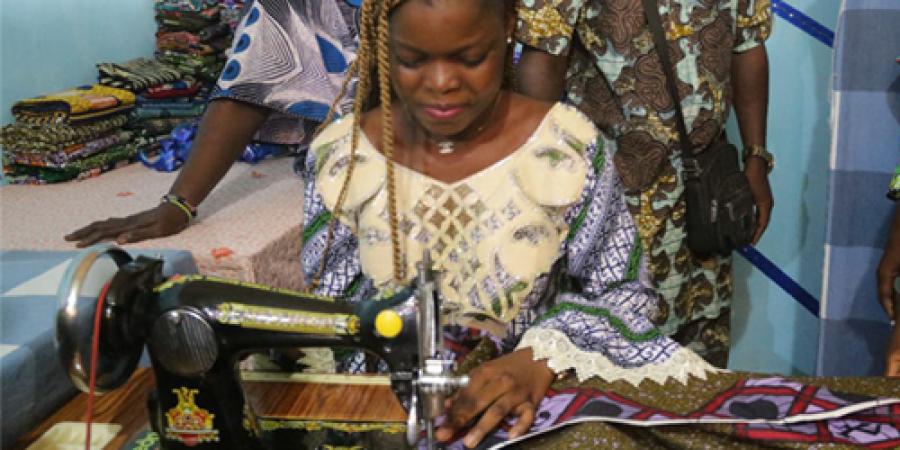
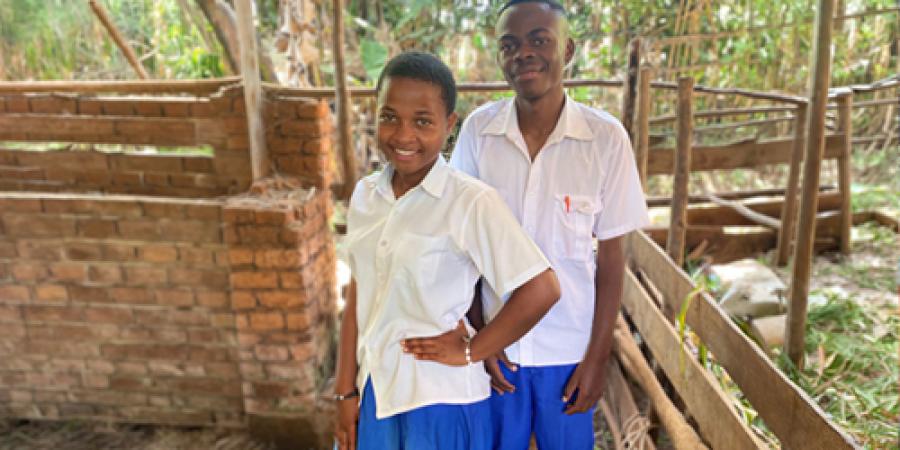
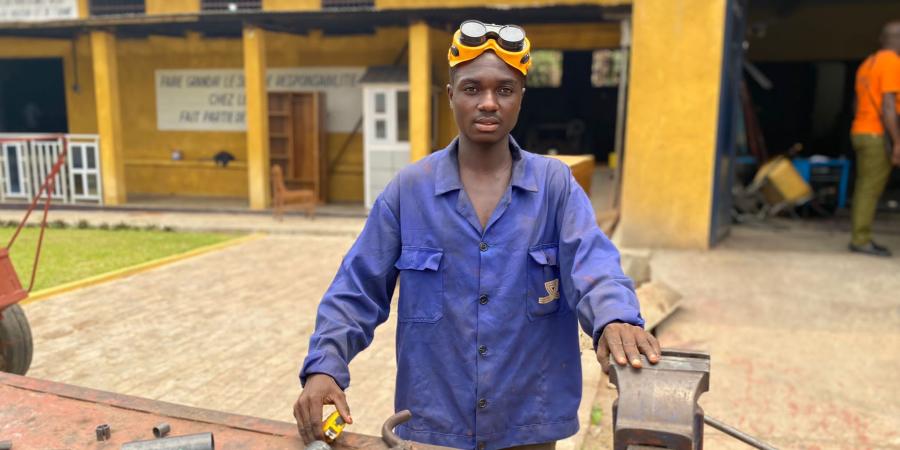
The building inaugurated by Ndako Ya Biso last November is dedicated to ‘young adults’ aged 18 to 25. Funding for its construction was obtained thanks to the work of these young people, who are enrolled in one of the project's vocational training centres and supervised by their trainers. A successful experience that they will remember throughout their professional careers.
Find out more about Louvain Coopération's projects in the DRC
More news