South Kivu: women entrepreneurs, despite the war
South Kivu: women entrepreneurs, despite the war


Faced with renewed conflict in eastern DRC, many women in South Kivu find themselves alone to provide for their families. Despite insecurity and the collapse of the job market, they are reviving entrepreneurial activities in order to survive.
Louvain Coopération has decided to remain and continue its activities alongside its local partners, such as GEL Sud-Kivu, which supports these women on a daily basis through the ‘Ensemble pour Elles’ programme.
"With the war, many mothers find themselves alone to support their families. My husband left to work in a mine because he couldn't find work here. I have very little news and I don't know when he will return with money. In the meantime, I have to feed and educate my children..." Nathalie lives in Bukavu, the capital of South Kivu province.
Since January, the M23 rebel movement, unofficially supported by Rwanda, has controlled part of North and South Kivu provinces, reigniting a decades-old conflict in the region. Today, dozens of different armed groups are active in the region, preying on a population that has been bled dry, yet is conspicuously absent from the political and financial talks currently taking place in Washington to find a solution to this conflict.
A survival strategy for lack of alternatives
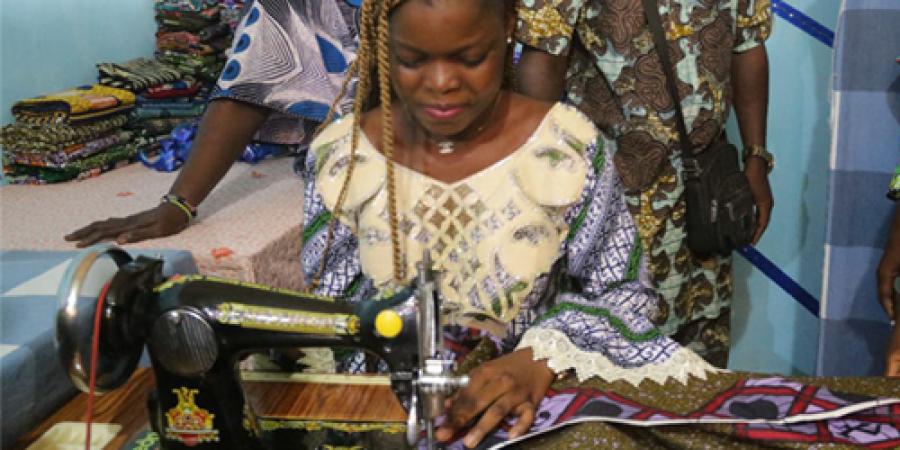
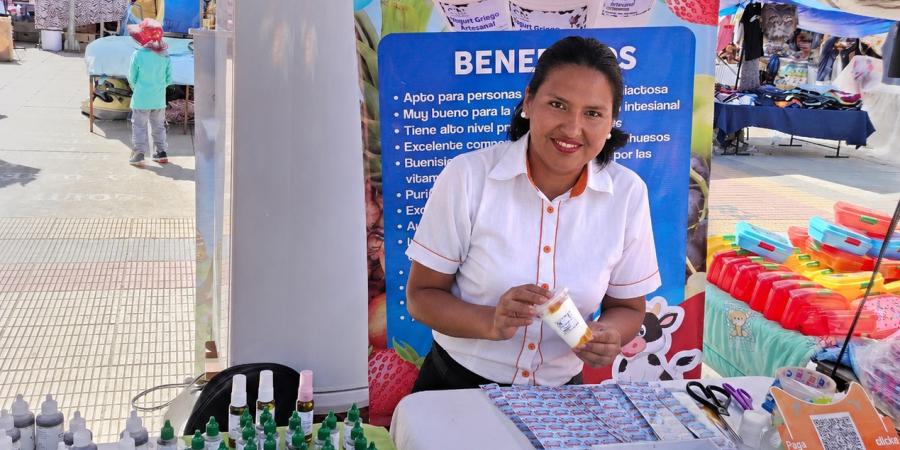
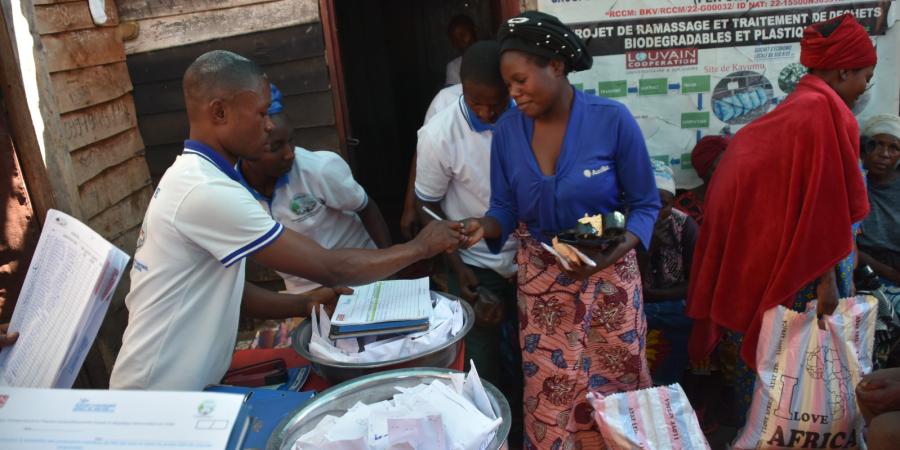
While the consequences of this conflict on civilian populations remain catastrophic, economic activities in particular have gradually resumed in areas that are now peaceful. This is the case in Bukavu, where the threat of hunger has prompted many women to overcome their fears and return to work, in most cases in informal entrepreneurial activities.
‘In South Kivu, the formal job market is extremely limited. There are few large private companies, while the public sector is saturated and offers very few employment opportunities,’ explains Marcellin Safari, director of GEL Sud-Kivu, an organisation specialising in entrepreneurship and a partner of Louvain Coopération. ‘Women are often excluded from these opportunities because of gender discrimination, low levels of education or social norms that favour men in access to paid jobs or decision-making positions. Entrepreneurship is therefore a strategy for survival and empowerment in a region where alternatives are limited.’
Entrepreneurship despite the war
While entrepreneurial activities are not very profitable in normal times, the current conflict is considerably worsening the situation for women entrepreneurs: "The clashes are causing mass displacement, destruction of infrastructure and permanent insecurity. Women who run micro-enterprises are seeing their fields abandoned, their businesses looted or paralysed, and their supply chains disrupted. Exchange rate instability and the scarcity of raw materials are exacerbating the difficulties," explains Marcellin Safari. The banking system is also at a standstill, making access to foreign currency extremely difficult. ‘In addition, women are exposed to increased risks of gender-based violence. In this context, entrepreneurship becomes a daily challenge: strategies for resilience must be found.’
Together for 100 women entrepreneurs
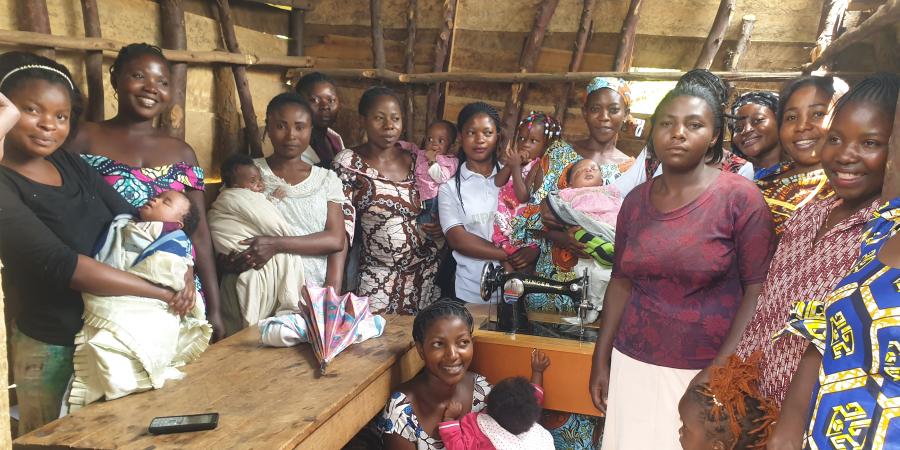
Louvain Coopération and GEL Sud-Kivu are leading the ‘Ensemble Pour Elles’ (Together for Women) initiative, which provides technical and psychological support to 100 women entrepreneurs in Bukavu. They receive coaching, access to training and equipment to improve the profitability of their businesses. In addition, they regularly visit the ‘Espace Sûr’, a place dedicated to women entrepreneurs, where they can discuss their experiences, difficulties and anxieties, have their young children looked after and meet with a psychologist. The aim is to support and listen to them so that they can continue their activities despite the obstacles they face.
Marcellin Safari is certain: ‘This project helps restore women's dignity, strengthen their resilience and offer them a sustainable path to empowerment. In a context marked by conflict and economic crisis, it represents a real breath of hope and an opportunity for social transformation.’
More news