Literacy: a powerful lever for women's empowerment and independence
Literacy: a powerful lever for women's empowerment and independence


How can you be independent and empower yourself when you cannot read or write? How can you manage a business without knowing numbers? Millions of women around the world face these questions every day, and the answer is, unfortunately, that it is very difficult, if not impossible. Discover how you can transform lives through literacy.
 In the countries where we work, the illiteracy rate among women ranges from 24% to 64%. At best, this means that one in four women is unable to read or write. Literacy is therefore essential to improving women's status, leadership, financial independence and health through prevention messages.
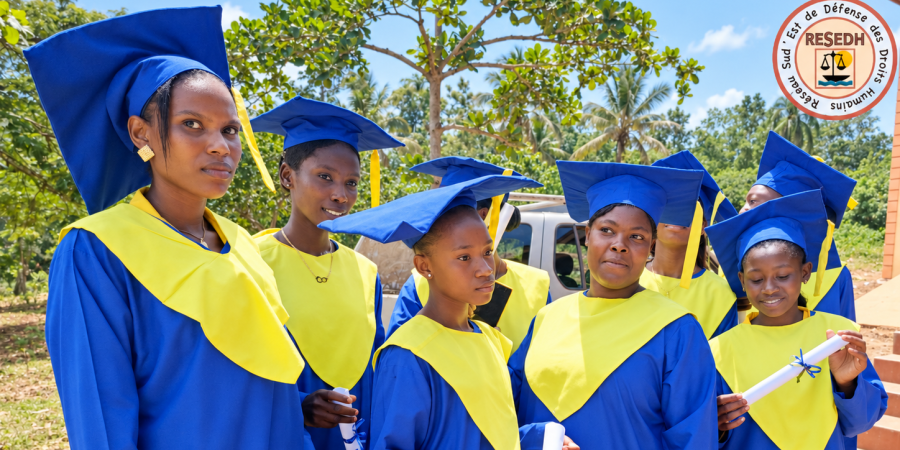
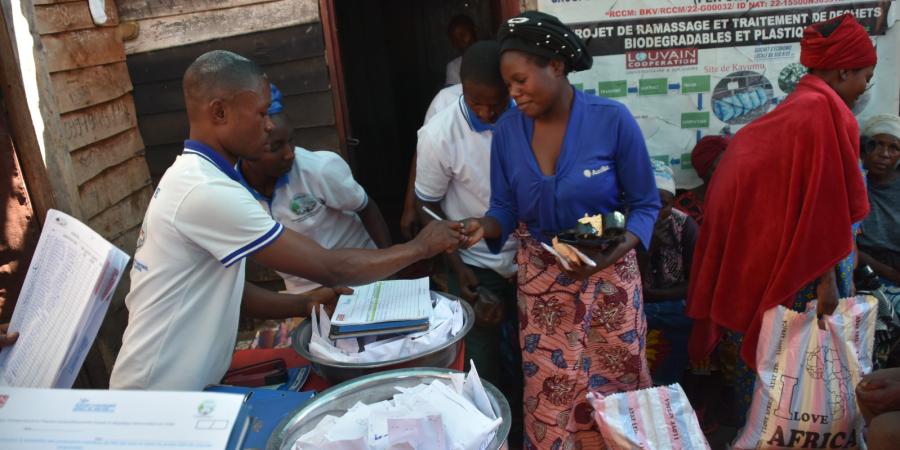
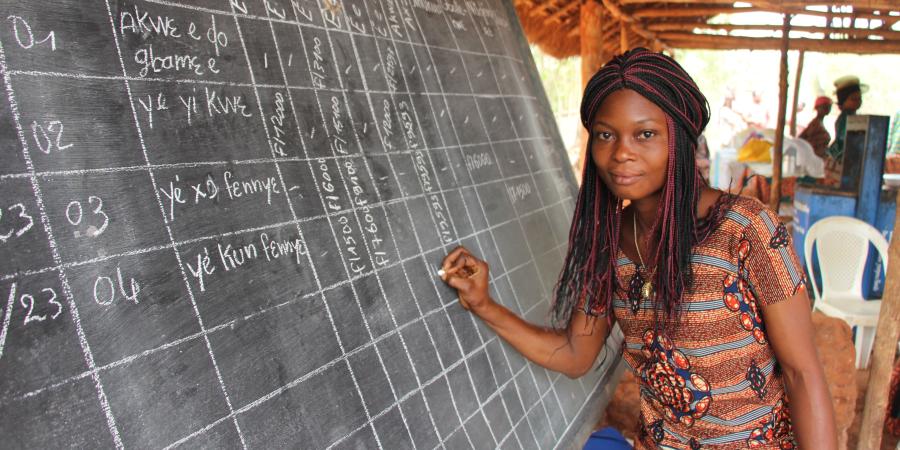
Together with our partners, we are setting up adult literacy courses in five countries: Benin, Burundi, Madagascar, the Democratic Republic of Congo and Togo. Although the organisation varies slightly depending on the context, the courses always involve groups of around 20 adults, the vast majority of whom are women, who meet two to three times a week in a classroom with a literacy teacher. Several levels of learning are targeted, as well as the corresponding qualifications.
Entrepreneurship and leadership
in focus
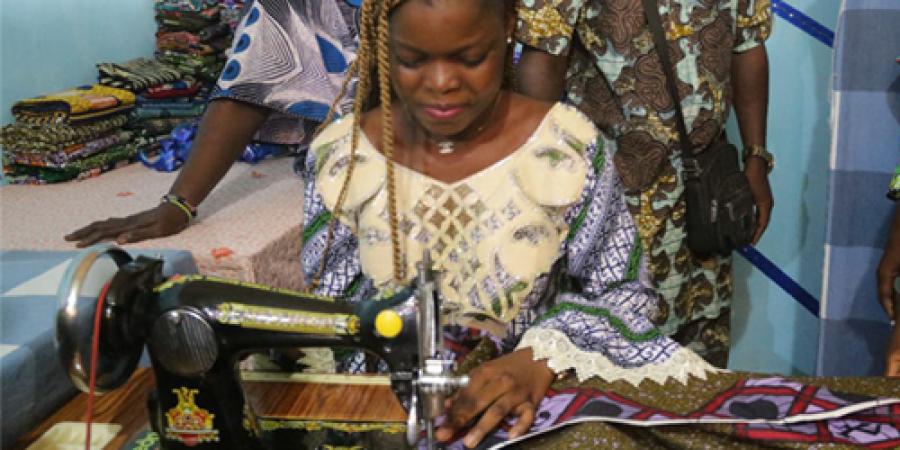
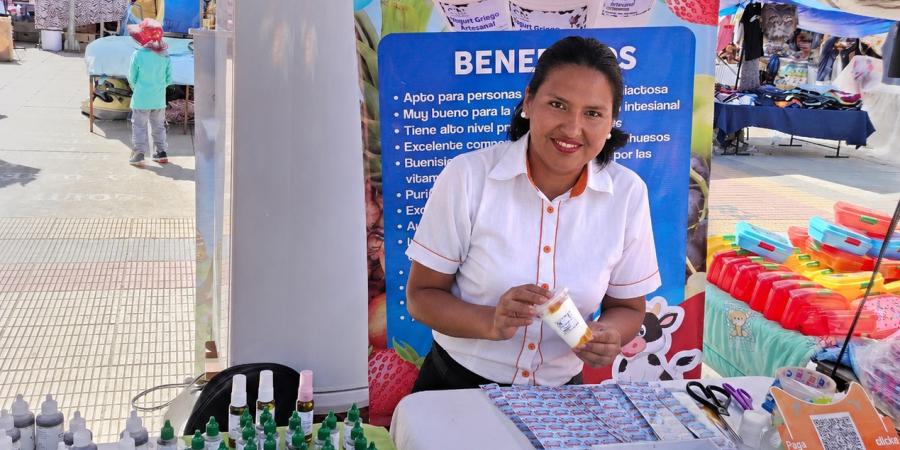
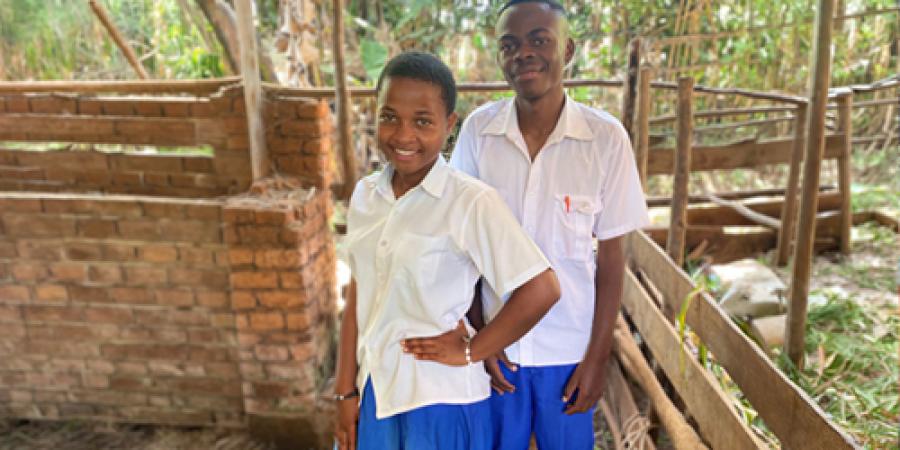
While women's literacy is a goal in itself, our integrated approach encourages us to view it as part of a broader system, as a means of acquiring entrepreneurial skills and improving income, status and place in society. Learning is therefore structured around different professions and the terms needed to become an entrepreneur. Marcelline Nijimbere is a literacy teacher in the province of Makamba, Burundi. She explains: "When women master reading and writing, they gain access to credit and can start commercial activities. Literacy classes teach them how to manage accounts and take measurements, among other things. They improve their social status and self-esteem, while opening up opportunities for community leadership. Literacy also has a positive influence on their children's schooling and future, thus helping to break the cycle of poverty."
In addition, the Reflect (Regenerated Freirean Literacy through Community Techniques) methodology is implemented. It links learning to read and write with collective reflection on the social, political and economic realities of the learners. This approach is particularly effective in reducing gender inequalities as it encourages inclusive dialogue on gender roles, enabling women to express themselves freely and take part in decisions that affect them.
The example of West Africa
In some cases, literacy courses are organised directly within cooperatives. The aim is to improve the management skills of their members, but also to enable women to access key positions within the cooperatives. This is the case in Benin, where they are linked to the processing of cassava into gari and tapioca. Within these cooperatives, 230 workers, more than 70% of whom are women, have chosen to learn to read and write. These cooperatives are also supported in increasing the productivity of their activities.
In Togo, courses are organised with 14 cooperatives, particularly those involved in rice parboiling. In total, 300 learners, more than 80% of whom are women, from these cooperatives benefit from literacy courses. In addition to the courses themselves, several activities are organised to encourage learning: a library, writing, reading and arithmetic competitions, and community listening clubs to stimulate discussion and peer learning.
More news