Responding to Burundi's major environmental challenges
Responding to Burundi's major environmental challenges
Protecting the environment and biodiversity is a crucial issue for Burundi, as are hygiene and access to drinking water. In light of this, Louvain Coopération has decided to focus its efforts on these areas and support local associations that work on a daily basis to protect the country's natural resources and improve the well-being of its inhabitants. Together, they develop concrete initiatives for communities.
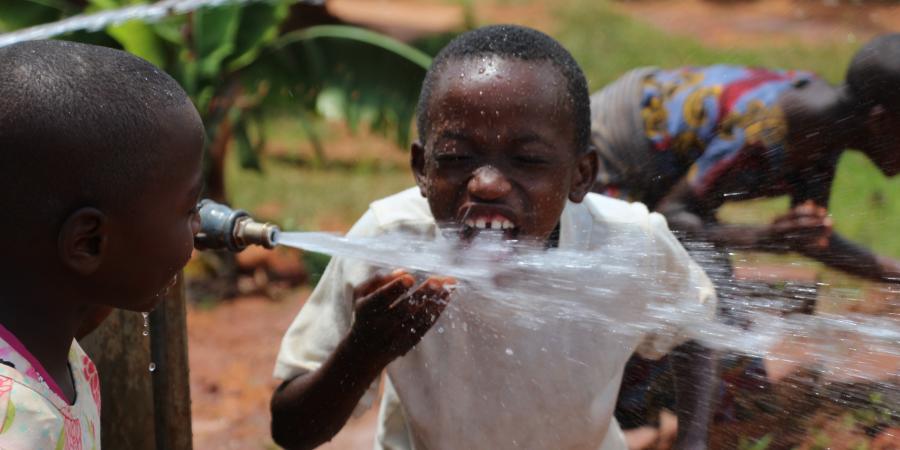
It is midday, and the heat is overwhelming in this small Burundian village. From a distance, you can hear the joyful cries of hundreds of children playing around an outdoor tap. Some are splashing each other, and the teachers, somewhat overwhelmed, are trying to restore order to the cheerful chaos. We are at a school in Kayogoro, located in the province of Makamba, in the south of the country. The headmaster, Ernest Niramewa, explains: "We haven't had water at the school for almost seven years. The children had to bring their water jugs in the morning and we had nothing to fill them with when they were empty. It also created major hygiene problems because they couldn't wash their hands or use proper toilets. So, naturally, the children are very happy to have water at school, and so are we!"
This scene of jubilation is the result of a micro-project carried out with the Areda association, which is active in projects related to the local environment and sanitation in the province. An 18-kilometre water supply system connecting a spring to the villages below has been completely renovated, bringing water back to the inhabitants. In total, 10 schools, 3 health centres, 5 churches and households on three hills now have access to drinking water nearby, saving them from having to walk 3 kilometres to fetch it.
"Next, we want to work on making the project sustainable, particularly by teaching residents how to manage these water points", explains Orestin Nizigiyiana, representative of the association.
80 associations, 16 micro-projects
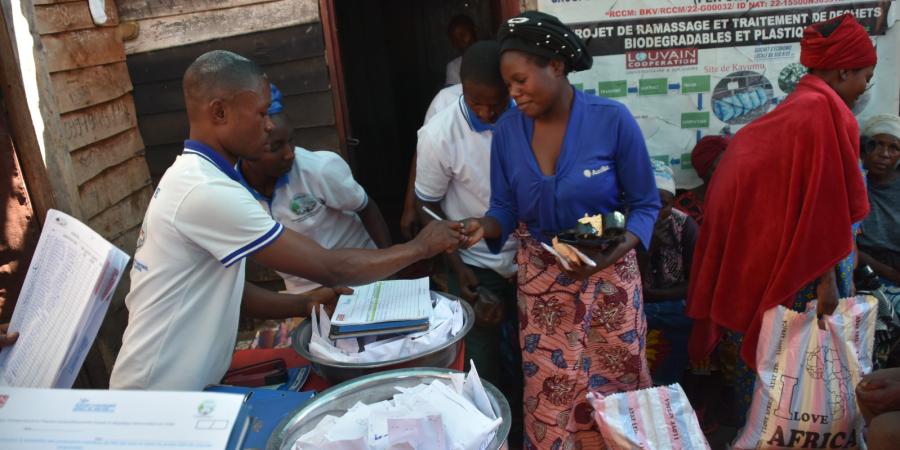
The repair of this water supply system is part of a larger project (PASCALE-B), which has provided support to 80 Burundian civil society organisations working in the field of ecology. The aim is to enable them to take full ownership of these issues and make the projects sustainable. These organisations have therefore been able to attend training courses to improve their knowledge of natural resource and biodiversity management, agroforestry, agricultural land management, sanitation, etc.
Subsequently, 16 projects led by these associations were selected. These initiatives address the country's major environmental challenges:
- waste management
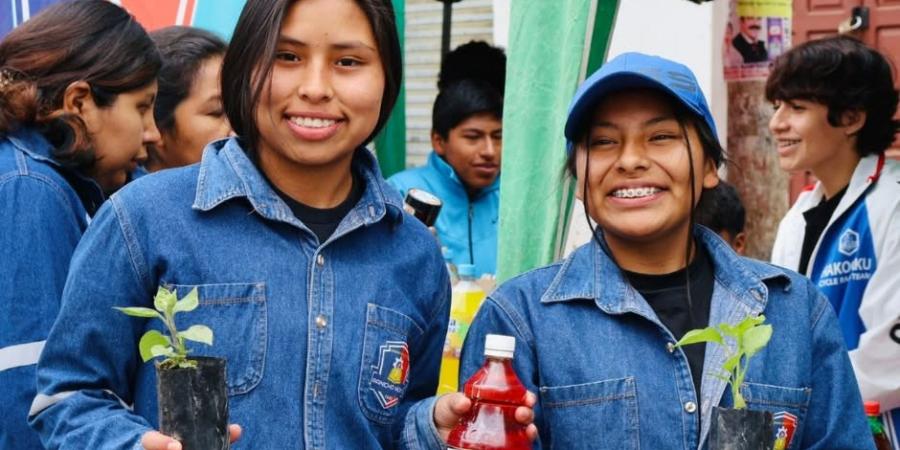
- reforestation
- protection and rehabilitation of flora using native species
- protection of buffer zones around rivers and lakes, etc.
- access to drinking water, etc.
Each of these projects is monitored, supported and funded.
Advocacy for a wider impact
To extend the impact of these projects, the associations will capitalise on their benefits to influence local and national environmental policies. It is through the final phase of this project, dedicated to advocacy, that we aim to achieve this objective. "We have had meetings with Louvain Coopération and partners on how to proceed", explains Orestin. "In this particular project, we will approach the local administration, i.e. the municipal and provincial authorities, as well as other partners involved at the local level. We will address the issue of financial management of water infrastructure and build on the success of this water supply repair to encourage them to create extensions so that other surrounding hills can also benefit from water."
More news