In Haiti: from the streets to a new future
In Haiti: from the streets to a new future


In Haiti, it is estimated that 200,000 children are living in extremely precarious conditions. Some have fled violence or abuse, whilst others are simply looking for something to eat or a way to earn a little money. In Jacmel, in the south-east of the country, Louvain Coopération and its local partner, RESEDH, are supporting them to help them envisage a different future.
A few years ago, the issue of children living on the streets mainly affected the Haitian capital, Port-au-Prince. But today, the economic and political crisis has caused this problem to spread across the whole country. In Jacmel, in the south-east of the country, RESEDH has been supporting these young people for ten years.
There are many different paths that lead these children to the streets. “Some are forced into domestic servitude: their parents entrust them, for example, to traders so that they can work. All too often, these children suffer abuse and violence. They then flee this situation and end up on the streets”, explains Jetho Pierre-Paul, RESEDH coordinator.
Other young people come from Port-au-Prince in the hope of finding a less difficult environment, far from the gang violence that plagues the capital. Finally, some still have a family, but live in such precarious circumstances that they have to scavenge for money or food on the streets rather than go to school.
“All these young people are very vulnerable and particularly at risk of being recruited by armed groups. We therefore work every day to prevent this from happening to them,” adds Jetho.
Children in prison
Given their extreme vulnerability, children and young people living on the streets may be driven to break the law, particularly by committing theft or acts of violence. Some then end up in prison. Here too, RESEDH aims to be there for them. “We are trying to improve the rights of these children in prison because their conditions of detention are extremely difficult. In Jacmel, they are held in adult prisons, are not fed properly, have no access to healthcare, and cannot communicate with their loved ones…”, explains the RESEDH Coordinator. The organisation therefore provides medicines and healthcare within the prisons, as well as psychosocial support from a psychologist and social workers.
To prepare them for life after release, young prisoners also have access to vocational training. “When they are released, we try to place them with a foster family and send them to school or on a vocational training course. We take care of everything for them, to change their story…”.
Training to change their future
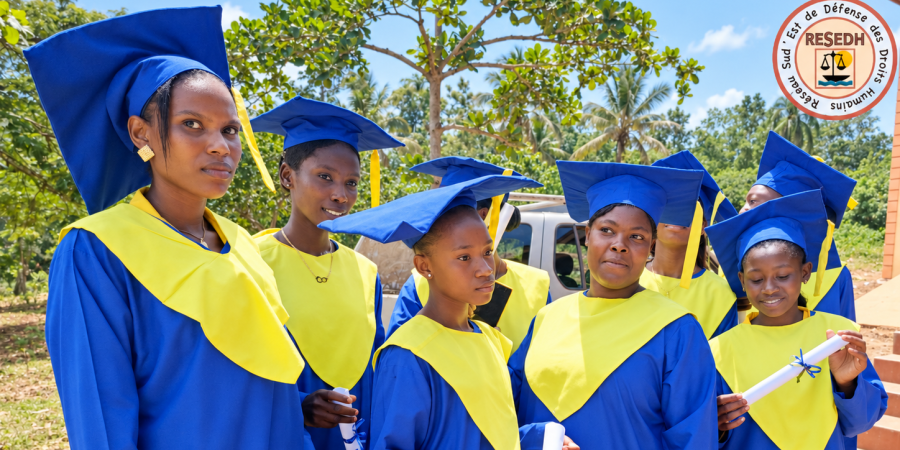
To support all these young people and enable them to build a different future for themselves, RESEDH offers them leadership training and informs them of their rights, before ensuring they receive further training and are integrated into society and the world of work. “It is the young people themselves who choose their path, and we support them in their choices. At the end of these training programmes, some want to return to school to obtain their A-levels. Others may then go on to undertake more comprehensive training programmes.”
The aim: to enable them to develop skills, find a job and gradually become more independent.
See the support continue
Louvain Coopération has supported RESEDH for several years. From January 2027, its financial support will be channelled towards other Haitian organisations in need. To continue providing vital support to young people, RESEDH must strengthen its financial independence. It will therefore develop a project based on two objectives: to create a new source of income and to offer young people a place where they can learn how to process agricultural produce.
“Given that we have extensive expertise in the processing of agricultural products – the production of juices, crisps and various types of flour – we want to set up a small centre for processing and selling these products on the local market. This facility will also serve as a training centre for young people wishing to work in this field. Our next challenge is to secure funding for this centre to safeguard our future and, through us, that of the hundreds of young people we mentor each year.”
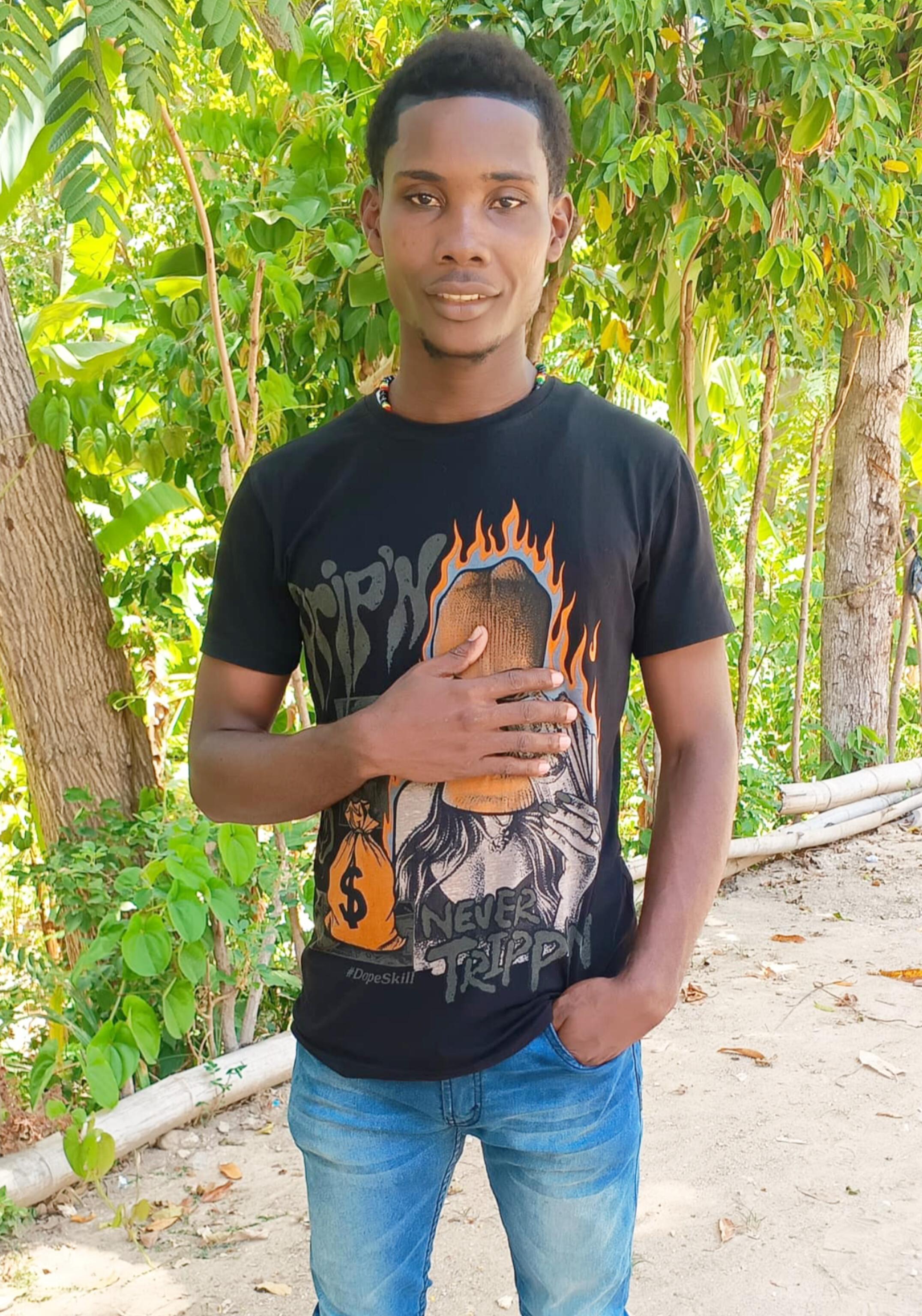
Personal account: Jerry Antoine
“When I was 13, I was living with my aunt, but it was very difficult. Nobody looked after me and I was often hungry. One evening, a friend and I went into a restaurant after it had closed to find something to eat. But we locked ourselves inside, and when the owner found us the next day, he called the police. We were arrested and then held in custody at Jacmel Civil Prison. Whilst I was in prison, RESEDH gave me a lot of support. A psychologist came to see me and I was given food, soap… A lawyer took on my defence and eventually secured my release. When I was released, I was placed with a foster family and went back to school. This year, I’m going to sit my A-levels!”
Louvain Coopération, UCLouvain’s NGO, has been committed for over 40 years to a sustainable, equitable and inclusive world, founded on solidarity.
The teams at Louvain Coopération work with partners in Africa, Asia, the Andean region of the Americas and Belgium. Together, they take coordinated action, based on a scientific approach, to strengthen health, agriculture and food security, entrepreneurship and education. Its aim is to bring about a lasting improvement in people’s living conditions and resilience.
More news