In South Kivu, an initial response is being organised thanks to your support
In South Kivu, an initial response is being organised thanks to your support


In early August, Louvain Coopération launched an appeal for donations to help families in South Kivu who have been deprived of their land by the conflict.
Thanks to the initial donations received, an initial distribution of seeds and agricultural equipment has already been organised for some of the families identified. However, the needs remain significant: 162 families in extremely precarious circumstances have been identified, and others are still waiting to be able to resume their farming and economic activities.
In early August, Louvain Coopération launched an emergency fundraising campaign to support families in South Kivu. These families, faced with the establishment of military camps on or around their plots, were no longer able to farm their land to secure food and an income.
Début août, Louvain Coopération lançait un appel aux dons pour venir en aide aux familles du Sud-Kivu privées de leurs terres par le conflit.
Together with our teams on the ground and our partners, we have identified 162 families living in extreme poverty who need support to restart their farming and economic activities. Tailored agricultural training, the distribution of seeds and tools, and micro-grants for women’s enterprises: a range of measures are being put in place, depending on needs and the scope for intervention.
This intervention is urgent because the sowing season is drawing to a close and, once this window has passed, the families will miss a vital opportunity to produce the food they will need to survive in the coming months.
A call that has been heard
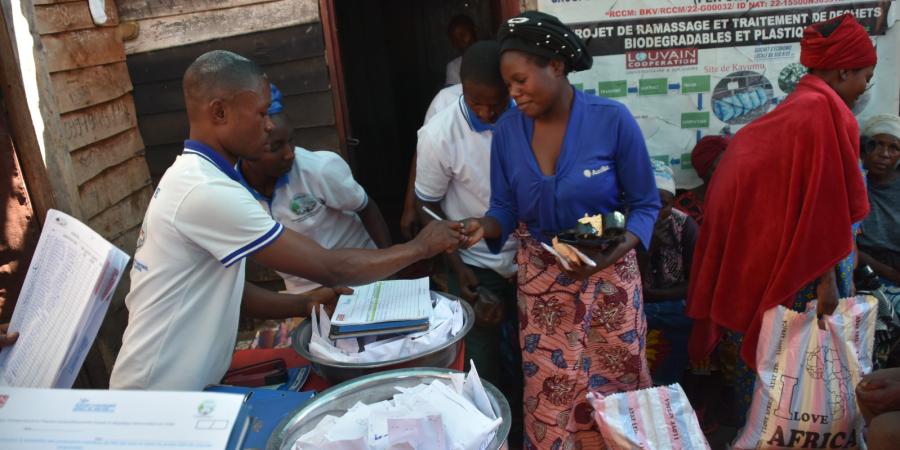
Many of you have already responded to our appeal. The initial funds raised were spent directly on the purchase of seeds (beans, maize, aubergines, onions and amaranth) and farming equipment (hoes and tridents). Last week, this equipment was transported to the Kabare region and distributed to the families identified.
Joëlle, one of the mothers present, shares her story:
“Ever since the war prevented us from accessing our large fields, life has become very difficult for our families. I didn’t even have a hoe left. We no longer knew how to feed our children. What we are receiving today is not just a farming kit; it is an opportunity to start farming again and to believe that tomorrow might be better. If we are dancing, it is not just for the seeds and tools, but because we feel that we have not been forgotten.”
This first distribution marks an important milestone, but it does not yet meet all the needs. Other families amongst the 162 identified are still awaiting support.
With your help, we want to continue this initiative: distributing more farming kits, supporting families with their crops and helping women whose livelihoods have been undermined by the conflict. Your support can still make a difference.
Thank you from the bottom of our hearts
More news