In Walungu, developing skills to boost employment
In Walungu, developing skills to boost employment


In South Kivu, helping young people enter the labour market remains a major challenge. With a lack of job opportunities in the city, agriculture offers a way to earn a living, provided one has the technical and entrepreneurial skills needed to generate a decent income.
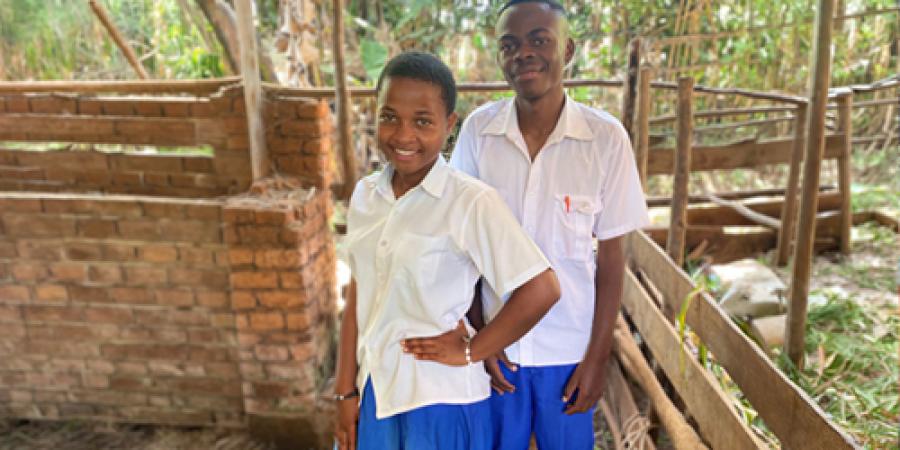
Since 2022, Louvain Coopération and its partners have been working with agricultural technical secondary schools in the Walungu region (South Kivu, DRC) to improve the training programmes on offer there. This support is aimed at four schools and the 486 pupils enrolled on agricultural and veterinary courses. “In particular, we are helping to improve their demonstration facilities. These have gradually become genuine learning environments where young people acquire skills that can be directly applied to their entry into the workforce. For example, we have refurbished a rabbit hutch at the school in Muku, purchased a boar for the pigsty at the school in Cihérano, and trained pupils to set up a macro-propagator for healthy banana suckers …” , explains Olivier Matumaini, Sustainable Food Systems Manager for Louvain Coopération in South Kivu. “We also offer training to teachers and school heads to develop, together with them, a continuing professional development plan”.
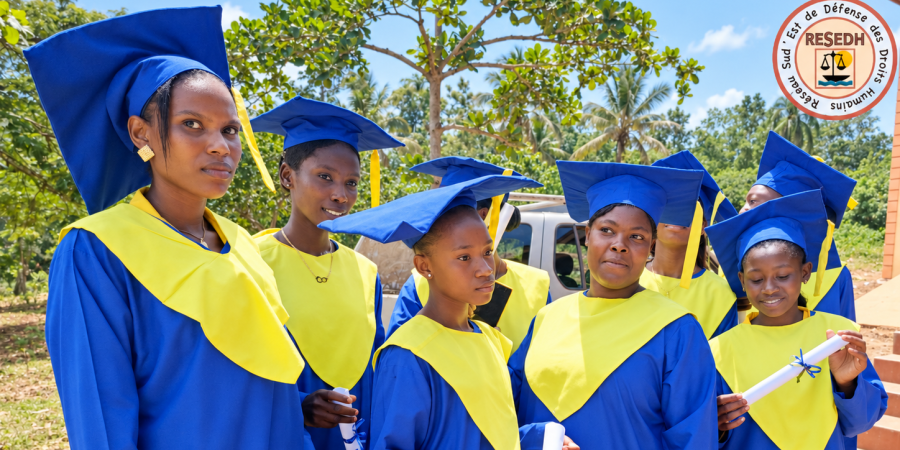
Upon completion of their training, graduates who set up a business in the fields of the circular economy or agroecology are monitored and supported by our local partner as young micro-entrepreneurs. The aim is to support the development of their initiatives, but also to analyse which training programmes are most effective in terms of social and professional integration.
More pupils, more female graduates, more opportunities.
After four years of the project, Louvain Coopération carried out a study to analyse the effectiveness of its initiatives and the improvements observed among young people. It reveals that teachers have improved their teaching practices, particularly through the integration of practical work and the use of demonstration and production units.
Furthermore, enrolment figures have risen significantly in these schools:
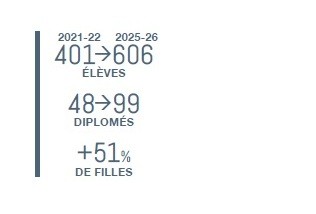
These results were achieved against a backdrop of insecurity and economic hardship affecting South Kivu, without any disruption to activities at the four partner schools. “The experience in Walungu shows that ongoing teacher training, tailored to the local context and developed in collaboration with the teachers themselves, can genuinely improve the quality of technical education and young people’s integration into the labour market”, concludes Olivier Matumaini.
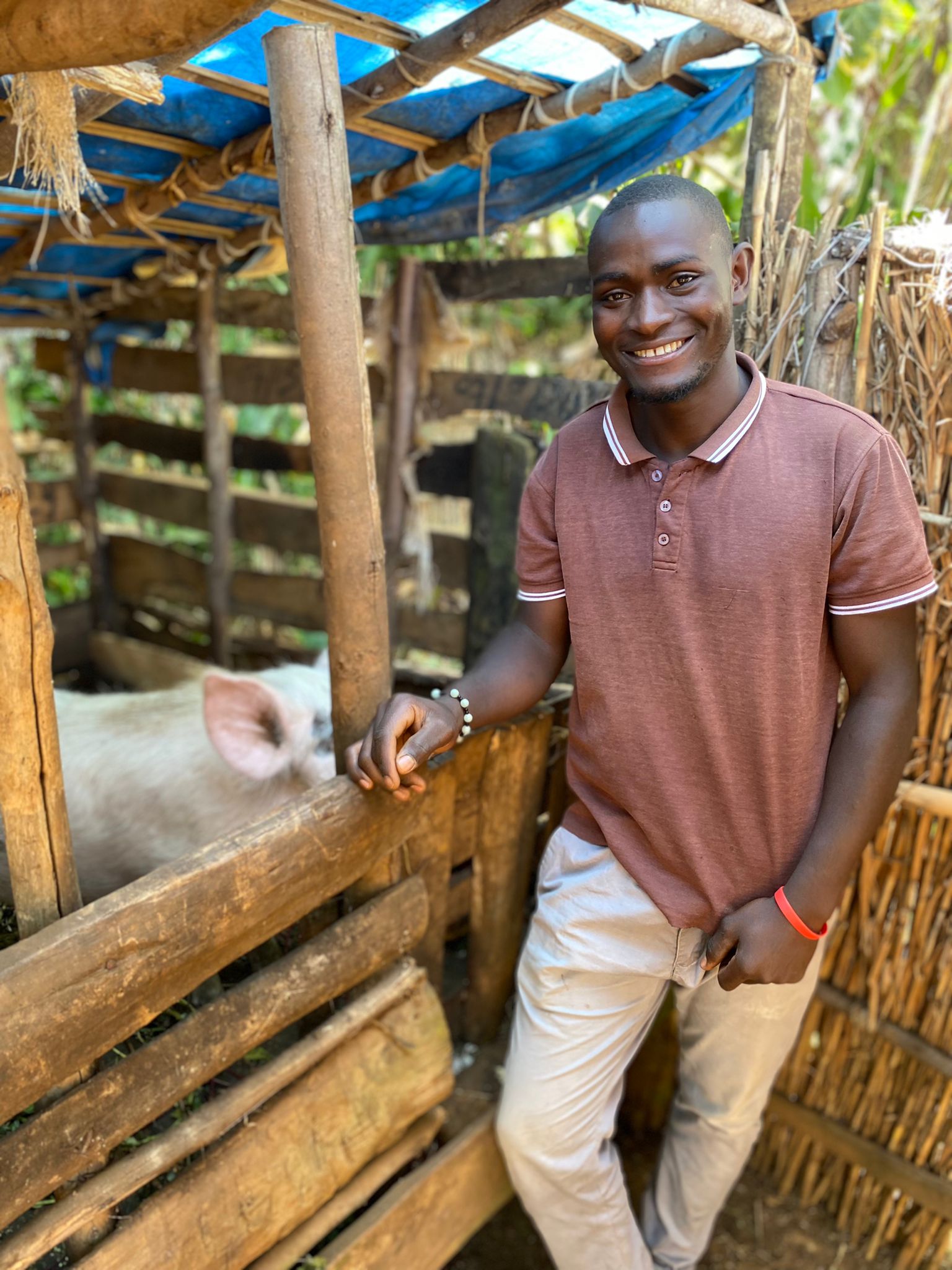 Bonane, a young livestock farmer, shares his story
“I graduated from the Karhagwa Agricultural Technical Institute in Walungu. I have been rearing pigs for a few years, but initially I had no prospects in this line of work. Thanks to the training I received in entrepreneurship, marketing, business plan development, market-oriented agriculture and pig farming management, I have learnt to run my business differently. I realised that pig farming could become a proper business and a sustainable source of income. Today, I own four breeding sows and have also leased a plot of land measuring around 10 ares where I grow vegetables. The waste from my pigsty is used to fertilise my crops, which reduces certain costs and improves the fertility of my soil. The income from selling piglets helps me cover my expenses, feed my herd and save for the future. My ambition is to become a recognised supplier of piglets in my local area and, in the long term, to set up a modern butcher’s and delicatessen.”
More news