South Kivu: easing the suffering of survivors
South Kivu: easing the suffering of survivors


Women and children in South Kivu are suffering terrible trauma, exacerbated in recent months by violence related to the invasion of the territory by the M23. How, in such a complicated context, can their suffering be alleviated?
Blaise Ombeni, head of our health programme in the region, works with our partners to support victims. ‘These rapes have medical and psychosocial consequences. There is mutilation, trauma, serious psychological and social repercussions... We therefore need to provide holistic support,’ he explains.
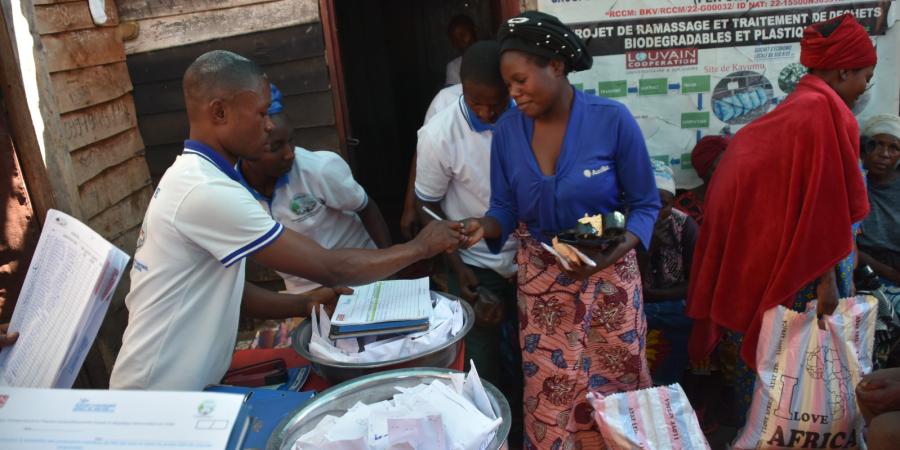
Together with our partners in the region, we are involved in providing PEP (post-exposure prophylaxis) kits to prevent STIs and unwanted pregnancies following rape. "Above all, we have made great efforts to ensure that mental health care is integrated into victim care and, more broadly, into primary health care. Victims therefore receive individualised psychosocial support, particularly through support groups led by psychologists. Some survivors are stigmatised in their communities. We reach out to them and also support them in developing entrepreneurial activities to strengthen their autonomy. There are also awareness-raising and health promotion initiatives within communities to facilitate the social reintegration of victims." This work is complicated by the conflict, which sometimes makes it difficult to access victims. Thinking about the future
For Miracle Zawadi, coordinator of our partner CAMPS, it is also essential to think about the future and how to manage reconstruction. "Research must be conducted on all these traumas, this stress, these victims. After this kind of event, there is always a wave of children born as a result of rape. What can be done for the community, for these mothers, for these children? Research can guide decisions, in order to create more sustainable reparations, based on scientific results, and taking into account the psychological aspect to truly meet needs."
Louvain Coopération indeed intends to continue its mental health actions in the next programme supported by the Belgian State. Initially, a study will be conducted to guide these actions.
I would like to read the rest of the Devlop' I support this project
More news