Non-communicable diseases

Picto
Soins de santé

No. 3 - Belo Hospital: a dream come true

Contenu
Image 4:1
n°3
Contenu
Texte

Belo Hospital: a dream come true

Contenu
Texte

Edito

Strengthening collaboration between NGOs

Belgian university NGOs, active in southern countries and in Belgium, which share common ground in their fields and locations of intervention, but also in their academic specificity... There are many points that unite Louvain Coopération (UCL NGO), ULB Coopération (ULB NGO), ADG (NGO of the ULg-Gembloux) and FUCID (NGO of the UNamur) are numerous. These NGOs have in common the carrying out of studies or action research, the capitalisation of acquired knowledge, the use of academic experts, the most judicious possible dissemination of knowledge, and the raising of student awareness through the organisation of Campus Plein Sud...

These existing collaborations and commonalities form the basis for the idea of broader cooperation, which is in line with the dynamics of the development aid sector: seeking synergies, shared learning and active networks. It must be acknowledged that NGOs have often tended to work in isolation. In the era of globalisation, new information and communication technologies, and social networks, it is no longer possible or desirable to work in isolation... Let us make the most of each other's experiences, both positive and negative!

June 2016 was therefore a first in the history of these four NGOs: they decided to join forces and draw up a five-year programme (2017-2021) which has just been submitted to the DGD for joint funding. This programme includes actions in the South in the areas of food and economic security and health, and actions in Belgium in the area of global citizenship and solidarity education. Let's wish them good luck!

Sophie Wyseur
Programme Coordinator, South Louvain Cooperation

No. 6 - Mental health

Contenu
Image 4:1
No. 6 - Mental health
Contenu
Texte

Edito

Together

As we mentioned in our previous edition, Louvain Coopération has taken the necessary measures – some of them difficult – to ensure the long-term viability of its activities within the framework of its mission, in consultation with all stakeholders..

The development of these measures provided an opportunity to lay the foundations for a new organisational structure for the NGO, which will enable it to achieve its objectives more effectively. A new managing director and a new financial manager have been appointed. The “Programmes” team has been adapted in line with the NGO's mission and the increased requirements of donors; making local populations more autonomous by transferring more skills to them is in line with this mission.

Considerable efforts have been made in terms of human resources at the headquarters in Louvain-la-Neuve; we would like to thank the entire team for their collaboration.

The reorganisation was also made possible thanks to the Catholic University of Louvain, which, having confidence in the NGO and its ability to respond, mobilised the resources necessary to implement the reforms.

This process was successful because it brought together the driving forces surrounding our association. Together, we continue to write the history of Louvain Coopération by creating a new dynamic that brings about change.

On this new foundation, the NGO is bouncing back, full of motivation and energy, focusing on its primary mission: to give the beneficiaries of its projects the means to take control of their own destiny. One aspect of this mission is embodied in its ‘mental health’ programme, the theme of this edition of Devlop'. !

Marthe Nyssens
Chair of the Board of Directors

Covid 19 and its consequences in the south

Contenu
Image 4:1
COVID-19 and its consequences in the south
Contenu
Texte

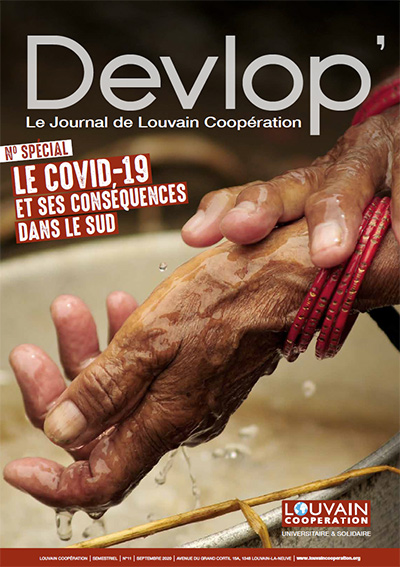
titre du journal Devlop' : covid 19 et ses conséquences dans le sud

Contenu
Texte

Edito

We will not give up!

When the transmission methods of this ‘damned’ Covid-19 virus became better known in mid-March, we were very concerned. We feared the damage that this disease would cause in the countries where we operate, in the South, where human contact is usually closer and where the health and social protection systems are significantly less effective than in our Western countries.

We inevitably thought about the human catastrophe that this pandemic could cause... What effective and useful measures could be taken to enable people in the Global South to protect themselves individually and collectively from what was likely to be widespread infection? In consultation with our partners, our teams quickly devised and implemented measures to prevent and treat the disease: first in Burundi, then in Benin and Togo, followed by Bolivia, the DRC, Cambodia and Madagascar – in short, everywhere we carry out health-related activities.

We quickly sent out messages in local languages about preventive measures, provided medical equipment and supplies to the health facilities we support, and supported and trained healthcare workers who, like their counterparts in Belgium, were becoming increasingly overwhelmed and stressed by this unprecedented health crisis. As you will understand as you read this magazine, we know that a socio-economic impact with serious consequences awaits us all, in both the North and the South. We will not give up and will remain alongside our partners to get through this unprecedented global health crisis together, trying to limit the damage and human losses as much as possible...

Sophie Wyseur
Head of Operations

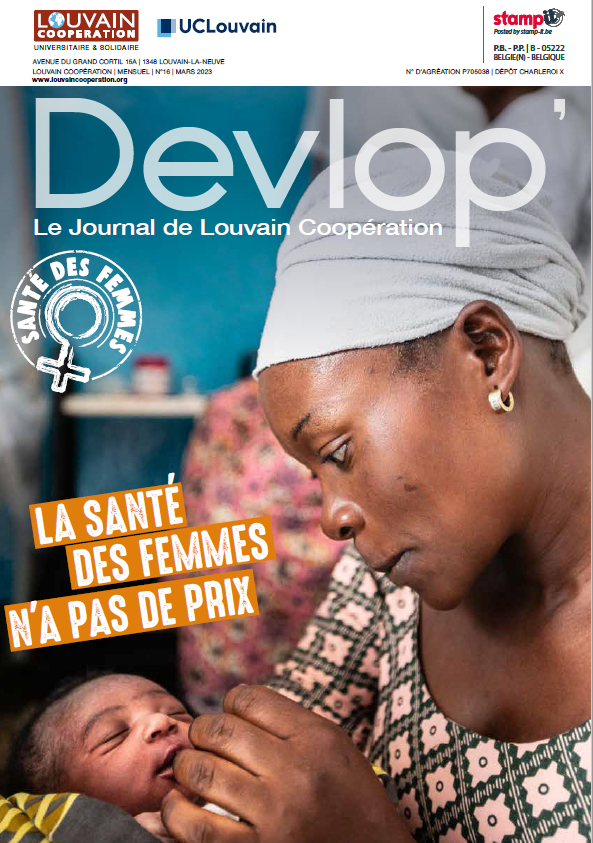
Women's health is priceless

Contenu
Image 4:1
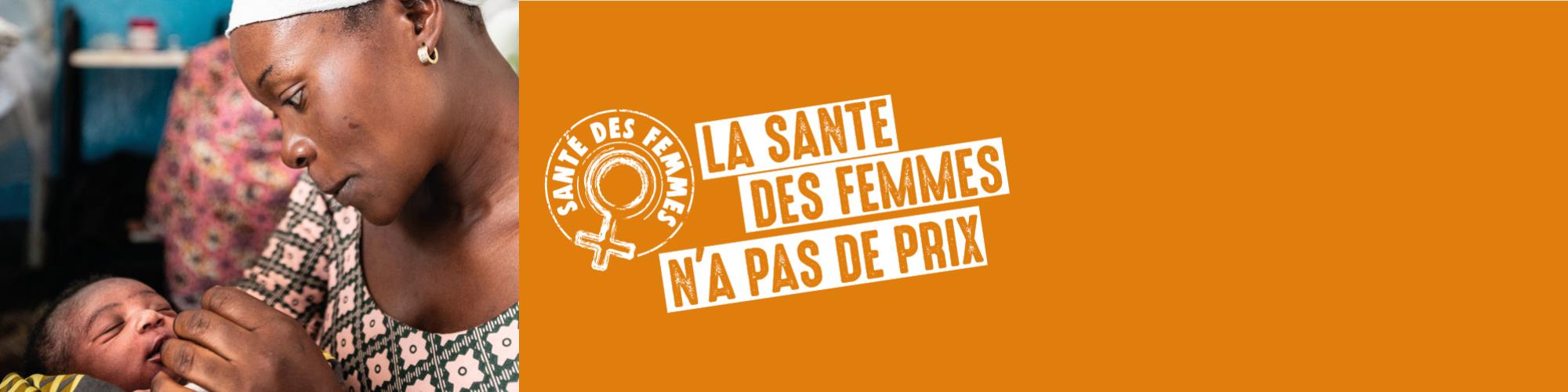
Jounral Devlop' 16: la santé des femme n'apas de prix
Contenu
Texte

Edito

Taking action to improve women's health

When a woman is about to give birth, can you imagine her loved ones having to go around the neighbourhood to collect money to pay for the caesarean section that will save her and her child? No? Yet this is still a reality in many parts of the world. Every day, around 830 women die as a result of pregnancy or childbirth. And 99% of all maternal deaths occur in low-income countries. These figures are totally unacceptable, given that most of these deaths are due to complications that could be prevented or treated.

For several years now, there has been a growing awareness of this issue: improving maternal health is the fifth Sustainable Development Goal pursued by the United Nations. Over the past 20 years, there has been a decline in maternal mortality worldwide, particularly in sub-Saharan Africa, but this decline has been far too slow and has been weakened in recent years by the Covid-19 pandemic.

The deaths of young mothers are not just a medical problem: they are also a social and political issue. Financial access to healthcare is central to maternal health, and mutual health organisations have a key role to play in bringing about change. While social protection is a given in Belgium, this is much less the case in Benin, Togo and Burundi, where Louvain Coopération works tirelessly to be part of the change. By contributing each month, young mothers who are members of mutual health organisations ensure comprehensive medical care during and after their pregnancy. But women's health is obviously not limited to pregnancy. Breast and cervical cancer are currently wreaking havoc in Africa, as are non-communicable diseases such as diabetes.

Discover in this Devlop’ the actions we are taking to improve women's health.

Brice Titipo
Programme Manager
Access to Healthcare & Health Promotion
in West Africa

Block
Texte


Receive
the full version
of the Devlop' newsletter

Contenu
Texte

Devlop' 16 : la santé des femmes n'a pas de prix

Texte

Receive the full newspaper