Diabetes and high blood pressure in the spotlight
Diabetes and high blood pressure in the spotlight


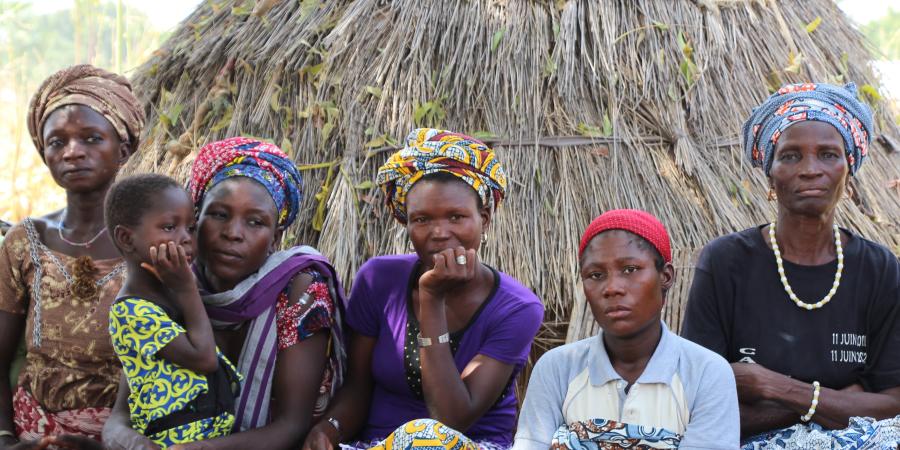
In Benin, high blood pressure (HBP) and diabetes are major public health issues. According to our data, in the project area, high blood pressure affects between 24 and 28% of the population and hyperglycaemia between 9 and 14%*. By way of comparison, 25% of Belgians are affected by high blood pressure and 8% by diabetes.
For three years, the mutual societies we support in the Mono department have been working to prevent and treat these diseases, starting with providing better information to healthcare staff: ‘I provided training on diabetes, high blood pressure and chronic respiratory infections to doctors, nurses and nursing assistants in all the health centres in our area,’ explains Dr Sounli, medical advisor to the Union des Mutuelles du Mono. ‘The aim was to teach them how to detect the tell-tale signs, treat patients, and identify associated risk factors, so that they could take a holistic approach to patient care.’
Health centres were then equipped with equipment to facilitate screening for these diseases. In 2025, 1,907 people were screened: 20% of them had high blood pressure and 10% had hyperglycaemia. They were referred for appropriate treatment. These patients are now being monitored, and some are being trained to become ‘peer educators’: they run sports clubs supported by mutual insurance companies to promote physical activity and continue to spread the message of prevention.
These messages are also conveyed through the media, door-to-door visits, schools and agricultural cooperatives, which are also supported by Louvain Coopération as part of its sustainable food systems programmes. They enable communities to be informed about the symptoms, risk factors and means of preventing hypertension and diabetes. Nutrition advice is also disseminated in communities, as Dr Sounli explains: ‘We have developed a food pyramid based on foods found in the area. This document enables everyone to prepare healthy, balanced meals that are inexpensive and accessible to all.’
*These figures are the result of research conducted by Dr Lamine Drame in 2021 as part of a doctoral thesis on ‘Risk factors for non-communicable diseases and the adequacy of healthcare provision for their management in the departments of Donga, Mono and Couffo in Benin’. They are also the result of screening campaigns organised by Louvain Coopération in the area.
More news