No. 22 - Mutual health insurance

Edito
Access to healthcare, a right to be defended
In the 1820s, Belgian workers established the first forms of mutual health insurance. Together, they organised themselves to provide financial support to their injured or sick colleagues and prevent their families from falling into poverty. Gradually, the state began to support this organised solidarity. But it was a long struggle. It was not until 1945 that health insurance was made compulsory for all Belgians, making the mutualist system truly viable.
This brief history reminds us that access to healthcare is a right that has been hard won in Belgium. Today, this right remains inaccessible to the vast majority of Africans (around 80%). There are health insurance systems, often linked to a profession or intended for civil servants in the formal sector. But for those who depend on the informal sector, such as farmers, saleswomen, craftswomen, etc., there is nothing.
Nothing. It means exorbitant healthcare costs, debt to pay bills, no support in the event of catastrophic medical expenses, leading families into extreme poverty and a fragile healthcare system due to lack of funding.
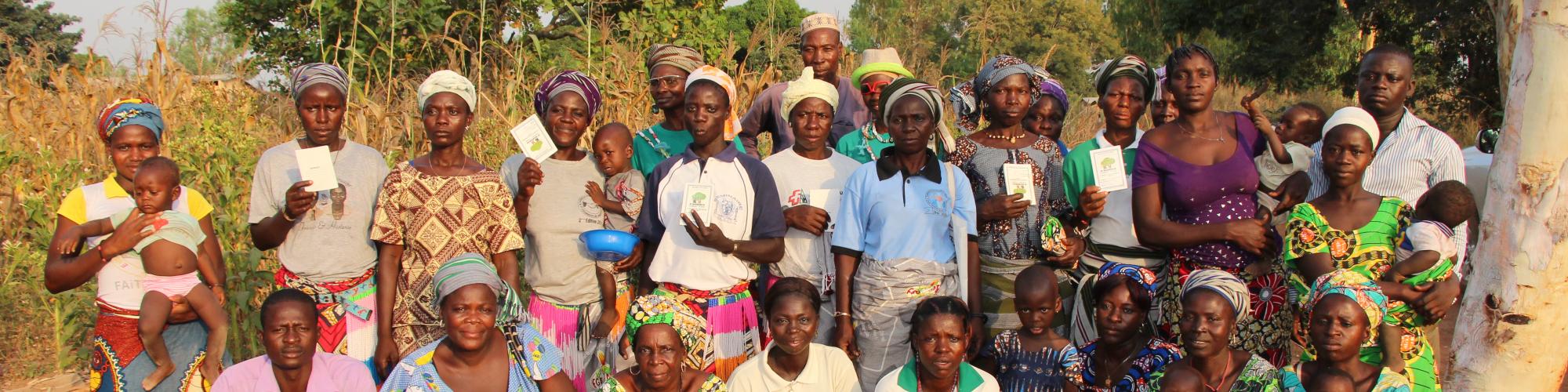
Solidarity is therefore organised, among other things, around community health mutuals, to which members contribute in order to access quality healthcare, thereby reducing the risk of debt in the event of illness. These mutuals are based on participatory management and risk pooling.
Every day, our teams, mutual insurance companies and their unions work tirelessly to keep this system alive, with the aim of expanding it and providing protection for the entire population. For 20 years, the Mutualités Libres have been working alongside us, putting their expertise at the service of this cause.
It is not just a matter of making healthcare affordable; together with our partners, we also work on prevention by informing communities about diseases and how to protect themselves against them.
The fight for access to healthcare is a long one, but it is absolutely essential. After all, how can we improve our living conditions if a simple illness can destroy everything? Education, sustainable agriculture and food, entrepreneurship... Without health, our other battles lose their meaning.
Brice Titipo,
Head of Access to Healthcare Programme
& Health Promotion in West Africa