
Entrepreneurship

Picto
Entrepreneuriat
Code couleur
safran

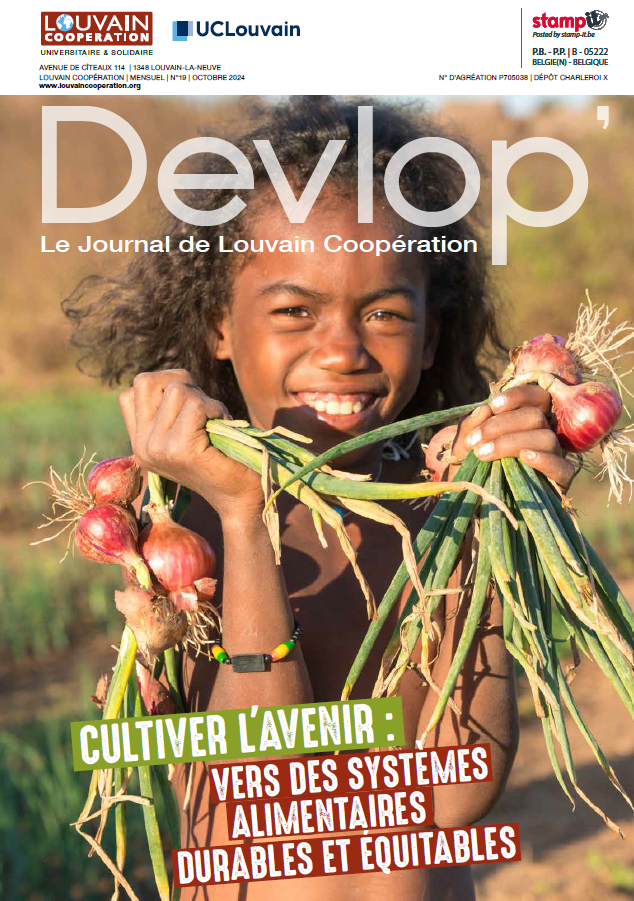
Journal 19 - Cultivating the Future
Contenu
Image 4:1
Cultiver l'avenir
Contenu
Texte

cultiver l'avenir: vers des systemes alimentaires duravles et équitables

Contenu
Texte

Edito

Complementary and interconnected solutions for sustainable change

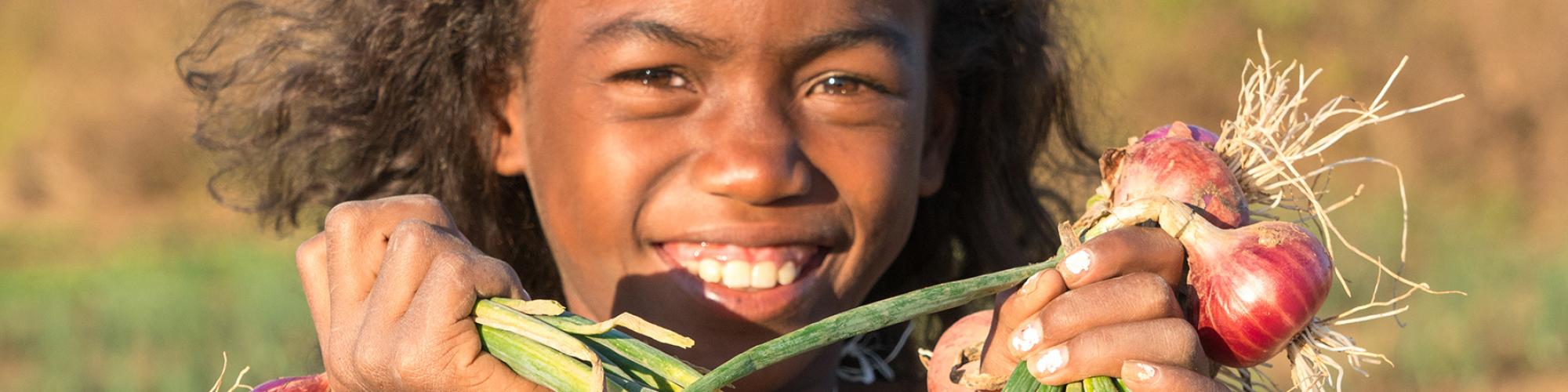
Today, the challenges posed by climate change vary considerably between countries in the North and those in the global South, due to economic, social and environmental differences. Solutions exist to make vulnerable populations, mainly living in the Global South, more resilient. This requires a systemic and inclusive approach that builds local capacity and supports sustainable agricultural practices, while preserving the environment for future generations.

Sustainable food systems aim to address these issues by providing healthy food while respecting the ecological limits of our planet. To strengthen the resilience of agricultural producers, it is now imperative to promote agroecological practices that favour production systems that are both productive and sustainable. Agroecology promotes biodiversity, improves soil health, reduces the use of pesticides and chemical fertilisers, and supports local knowledge and practices. It integrates social and economic aspects by seeking to strengthen the autonomy of family farms.

By adopting sustainable agricultural practices, managing natural resources efficiently, strengthening local value chains and promoting social justice, it is possible to create food systems that feed the world's population while preserving the environment and promoting economic and social equity. International collaboration, technological innovation and the engagement of local communities are essential to successfully transitioning to sustainable food systems.

There is an urgent need to build a more resilient, equitable and environmentally friendly future. Our teams and partners are working tirelessly to achieve this ideal. In this endeavour, sustainable food systems, agricultural value chains and agroecology are our greatest allies: complementary and interconnected solutions to drive change.

Doriane Desclée
Sustainable Food Systems Theme Lead
Block
Contenu
Texte

Cultiver l'avenir

Texte

Recevoir le journal complet

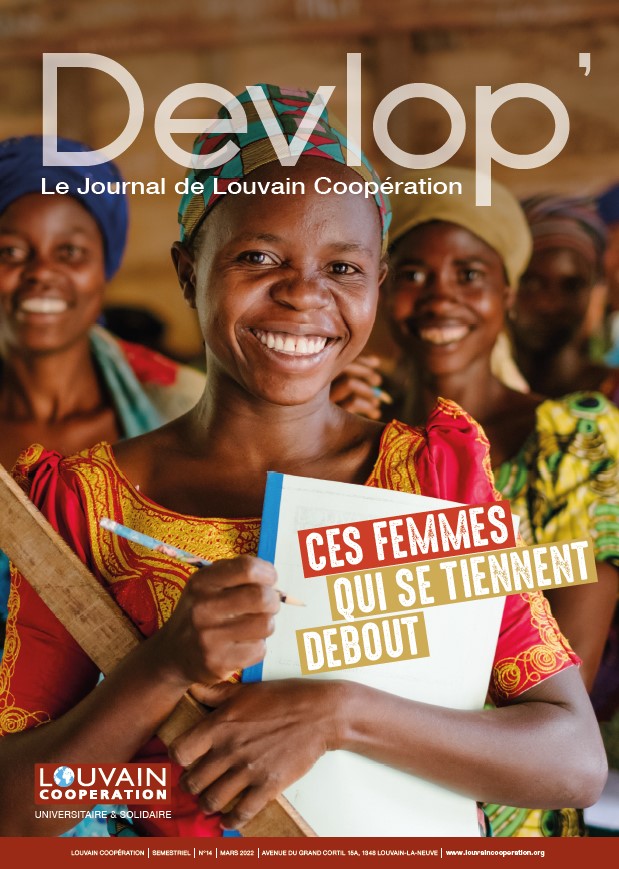
These women who stand

Contenu
Image 4:1
Ces femmes qui ce tienne debout
Contenu
Texte

Edito

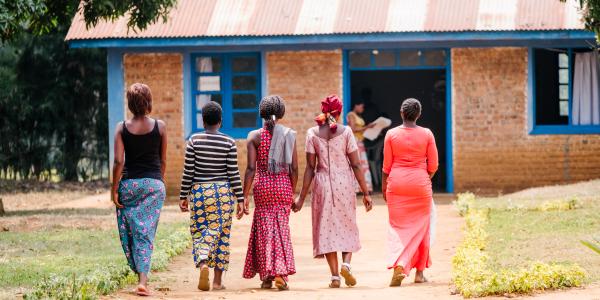
A cross-cutting and contextualised approach to gender

The gender approach in development is often confused with simply integrating women into projects, without rethinking power relations. Some even go so far as to justify this integration of women by the need to enhance the efficiency of projects, rather than on the principle of equal dignity between people. The gender approach also suffers from being considered a method, a ‘one-size-fits-all’ recipe for including both men and women in a development dynamic. As if the issue of gender were a methodology and one social context could be equivalent to another.

This is why Louvain Coopération has strived to develop a cross-cutting and contextualised approach to gender. First, it conducted a survey in all areas of intervention to identify practices and analyse the efforts made in previous programmes. This survey was supplemented by the work of interns and thesis students, as well as by exchanges within the Gender Learning Community. You will find out more about these topics in the following pages.

Louvain Coopération's gender approach is now based on the experiential and scientific knowledge of all the NGO's areas of intervention. While defending human rights, Louvain Coopération does not wish to transfer “recipes” from one region or country to another, as the socio-economic and political contexts of the regions in which it operates are not only frameworks for action, they also determine it.

Block
Texte


Receive
the full version
of the Devlop' newsletter

Contenu
Texte

News / Videos - Find out more... 

Contenu
Texte

Ces femmes qui se tiennent debout

Texte

Download the PDF

Download the PDF (fr)